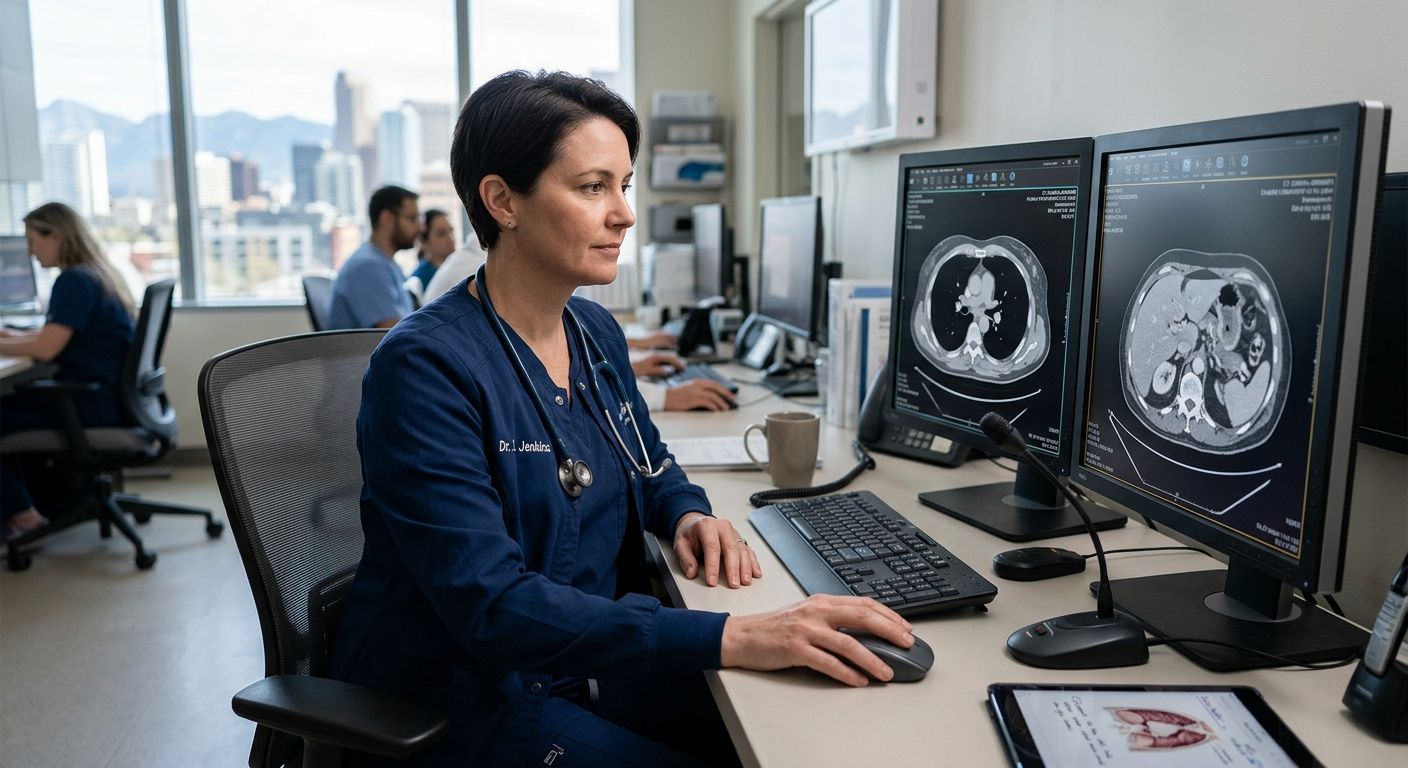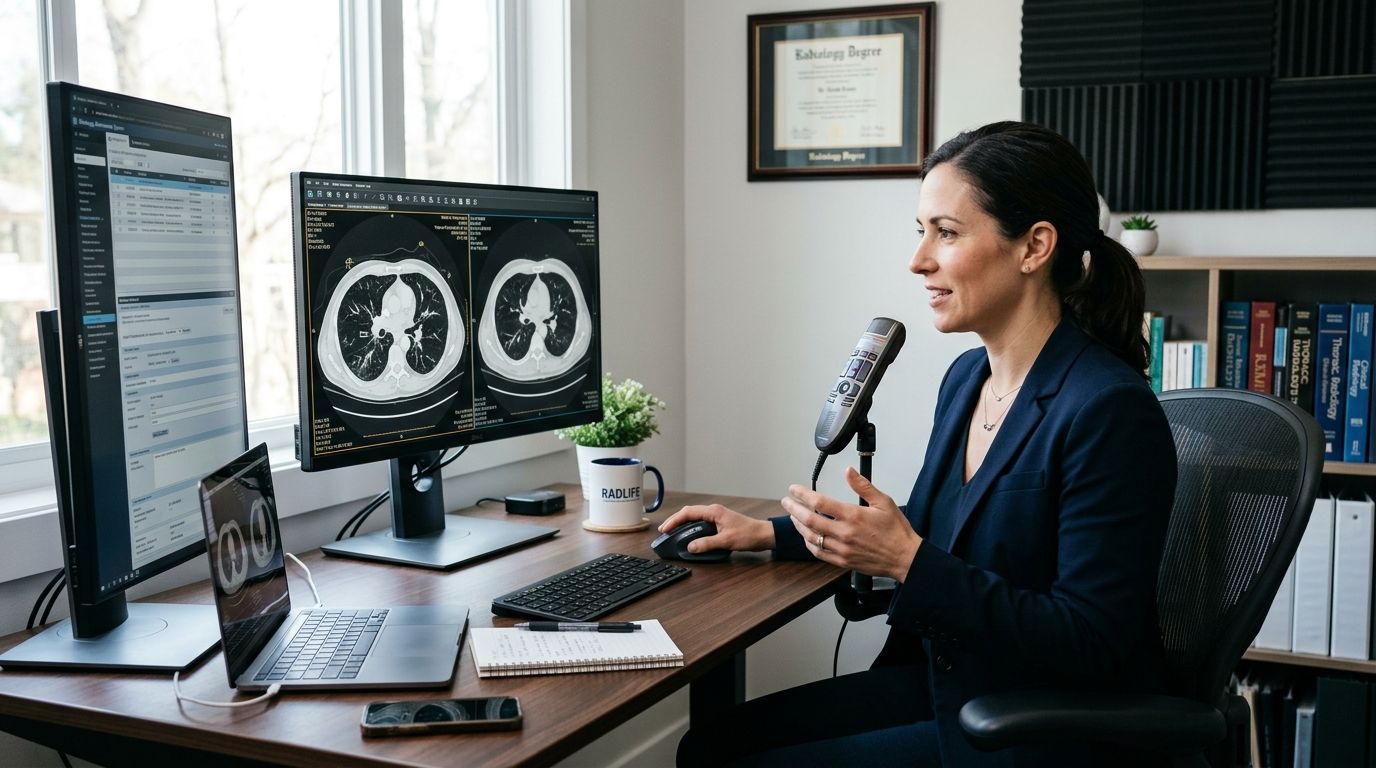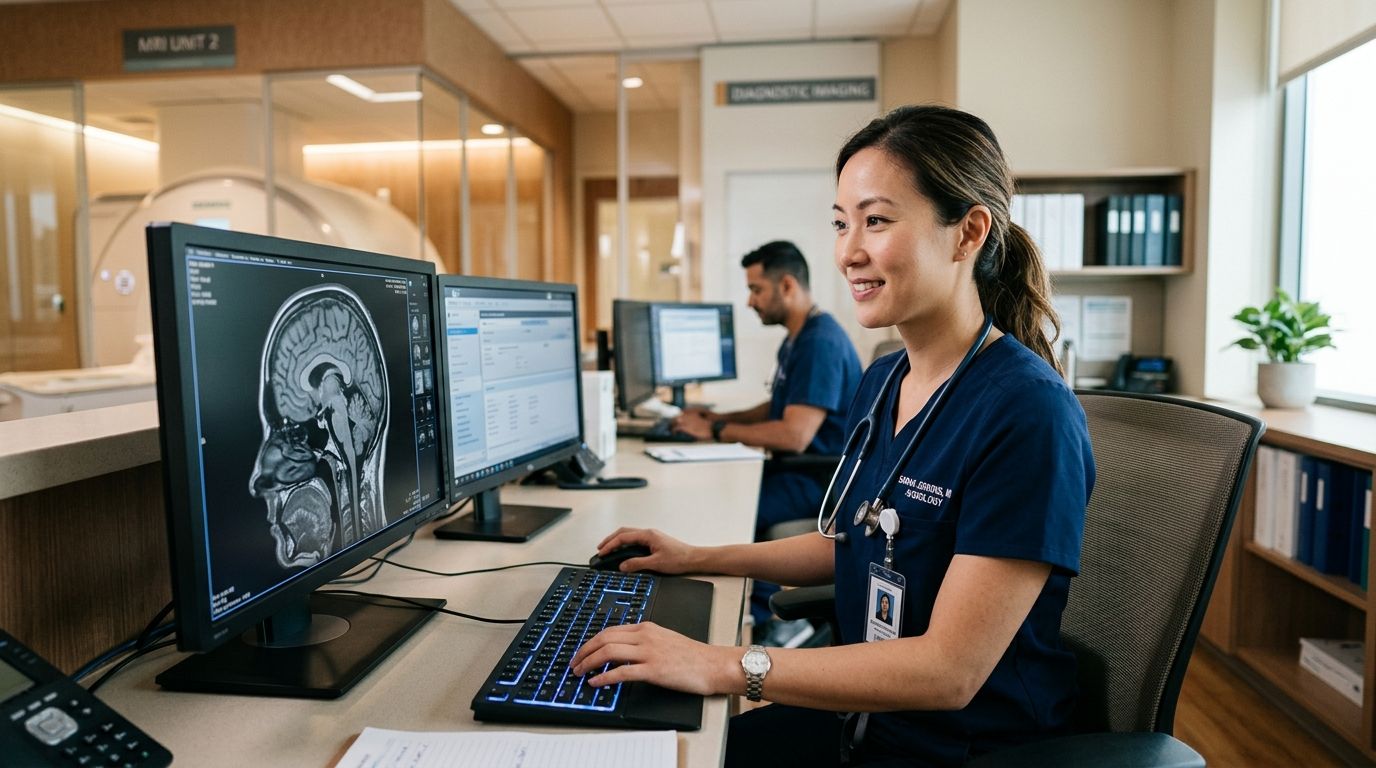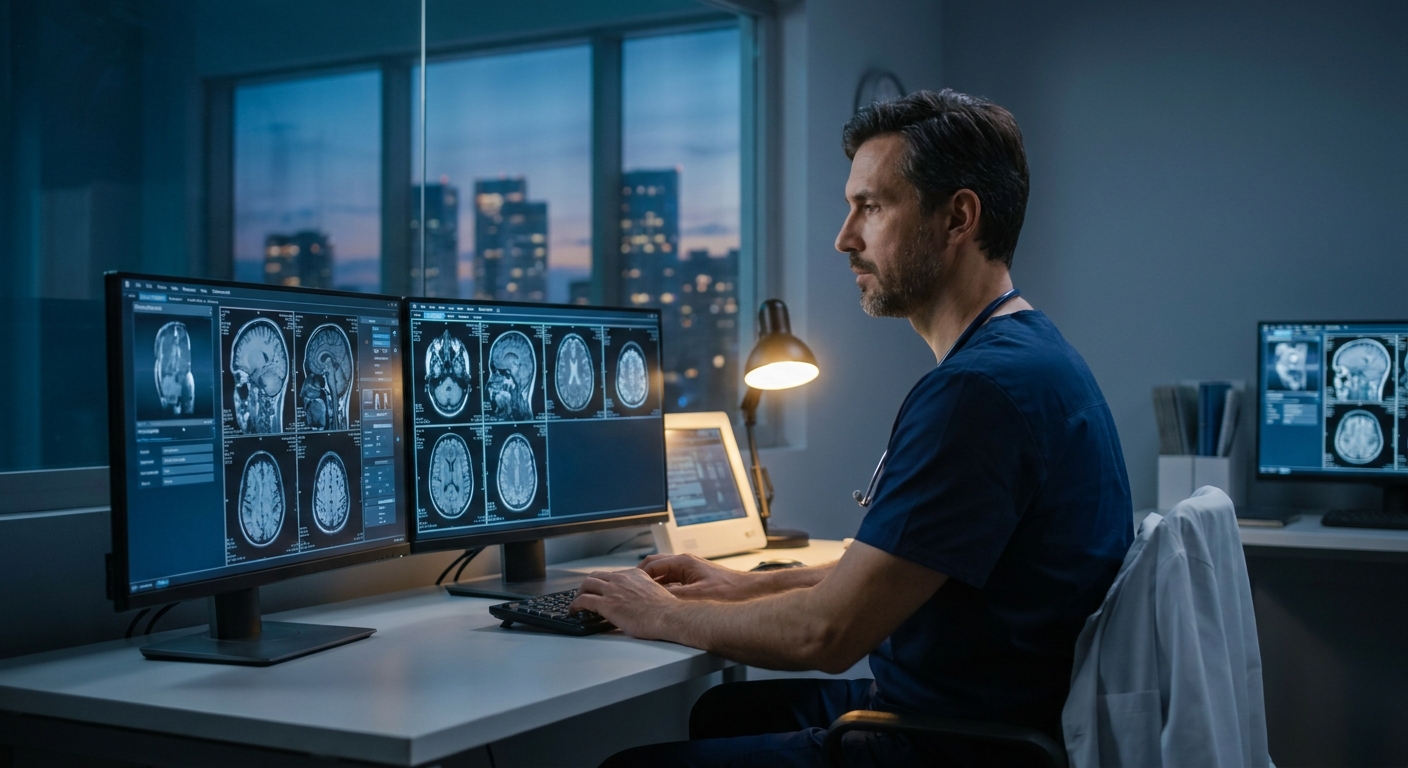
Fellowship-trained neuroradiologists have leverage in 2026 that general radiologists don't: CAQ eligibility, MRI-heavy case mix expertise, and a shrinking pool of subspecialists willing to take call for stroke and trauma coverage. This guide breaks down what to look for in neuroradiology jobs and which practice models actually reward that training.
- Academic medical center tracks pay less but protect subspecialty scope for neuroradiology jobs seekers - Buy for career-builders.
- Teleradiology-only neuro reads skip call burden entirely but cap case complexity - Consider, not a first job.
- Private practice partnership tracks with neuro carve-outs remain the strongest long-term equity play - Buy if ownership timeline is under 3 years.
- RadBoard aggregates 5,000+ radiology positions from 20 sources, filterable by neuro subspecialty and call structure.
Why this matters
Neuroradiology fellowship training doesn't automatically translate into a job that uses it. A lot of "neuroradiology" postings in 2026 are general radiology roles with a neuro read requirement bolted on, no protected reading time, and call schedules that look identical to a body imager's.
The difference between a job that actually uses fellowship training and one that wastes it comes down to four things: case mix control, call structure, practice model, and how the group defines subspecialty scope on paper versus in the schedule. Get those wrong and a CAQ sits unused for years.
RadBoard's job search platform pulls listings from 20 sources and lets you filter by subspecialty tag, which cuts through postings that mislabel general reads as neuroradiology jobs.
Who this is for
This guide is for radiologists who completed a neuroradiology fellowship (or are finishing one in 2026) and want a position where MRI brain/spine, CTA/MRA, and image-guided spine procedures make up a defined share of the daily workload — not radiologists looking for their first job out of residency without fellowship training.
What to look for in neuroradiology jobs for fellowship-trained radiologists
Protected subspecialty reading time
A neuroradiology job posting that doesn't specify a percentage of neuro-only reads is a general radiology job with a nicer title. Ask for the actual read distribution before signing — groups that can't answer usually don't track it, which means it drifts toward general call within a year.
Call burden and stroke coverage model
Neuroradiologists get pulled into stroke and trauma call disproportionately because CTA/MRA interpretation for large-vessel occlusion often routes to the subspecialist on staff. Find out if stroke call is shared across the whole group or stacked on the neuro subspecialists specifically — that's the detail that determines quality of life.
Academic versus private practice structure
Academic centers protect subspecialty scope through faculty appointments and dedicated reading rooms, but compensation trails private practice by a meaningful margin in most 2026 postings. Private groups pay better but only protect neuro scope when it's written into the partnership agreement, not implied by verbal commitment.
Partnership track and ownership timeline
Ownership structure matters more for neuroradiologists than most subspecialists because equity buy-in often determines whether the group invests in neuro-specific equipment (3T MRI slots, dedicated post-processing software) or keeps neuro reads on shared general protocols.
Teleradiology flexibility for neuro reads
Remote neuro reads have grown as a standalone category in 2026, separate from general teleradiology night coverage. It's a legitimate track for radiologists who want subspecialty work without relocating, but it rarely includes procedural volume — no myelograms, no spine injections.
CAQ and board requirements
Some groups still hire fellowship-trained radiologists without requiring the CAQ, treating fellowship completion as sufficient. Others require it as a condition of the neuro-specific compensation tier. Confirm which model applies before assuming the fellowship alone unlocks the pay differential.
Top picks by practice model
Academic Medical Center Track — the safe pick. Protected neuro reading time is usually written into the faculty contract, often 60-80% subspecialty reads. Compensation trails private practice, but research time and procedural volume (spine injections, myelograms) stay intact. Verdict: Buy for radiologists prioritizing case complexity over income in the first five years.
Private Practice Partnership Track — the equity play. Groups with a defined neuro carve-out and a partnership timeline under three years give the strongest long-term financial upside among neuroradiology jobs. The catch: verify the carve-out is contractual, not verbal, before signing. Verdict: Buy if the partnership agreement specifies neuro scope in writing.
Teleradiology-Only Neuro Reads — the wildcard. Remote-only neuro reading positions skip call rotation and relocation entirely, appealing for radiologists managing family or geographic constraints. Case complexity caps out below what a hospital-based role offers — no procedures, limited multidisciplinary tumor board involvement. Verdict: Consider as a second job or transition role, not a first placement out of fellowship.
Hybrid Academic-Private Model — the underrated pick. A small but growing set of 2026 postings combine private-practice compensation with academic-style protected neuro time through affiliate teaching hospital arrangements. These roles are harder to find because they're rarely labeled consistently across job boards. Verdict: Buy when the affiliation agreement guarantees a minimum neuro-read percentage.
VA/Federal Neuroradiology — the stability pick. Federal neuroradiology postings offer predictable schedules and lower call burden, with case mix skewed toward veteran-population neuro pathology (TBI follow-up, degenerative spine). Compensation sits below private practice and academic tracks in most 2026 listings. Verdict: Consider for radiologists prioritizing schedule stability over subspecialty case diversity.
What to avoid
- "Neuroradiology-friendly" general postings. If the listing says a candidate with neuro fellowship training is "preferred" but the job description is otherwise general radiology, the subspecialty scope will erode within the first year.
- Call structures that stack stroke coverage on one or two subspecialists. Small groups sometimes hire a single neuroradiologist and route all CTA/MRA stroke reads to that person around the clock — ask for actual call frequency, not "shared call" language.
- Verbal-only partnership promises tied to neuro scope. If the carve-out for protected neuro time isn't in the partnership agreement, it disappears the moment group priorities shift. Get the negotiation in writing before accepting an offer — the salary negotiation guide covers how to push for contractual language, not just numbers.
Verdict comparison
| Practice model | Protected neuro time | Call burden | Ownership path | Verdict |
|---|---|---|---|---|
| Academic Medical Center | High | Moderate | Faculty track | Buy |
| Private Practice Partnership | High (if contractual) | Moderate-High | Under 3 years | Buy |
| Teleradiology-Only | Low-Moderate | None | None | Consider |
| Hybrid Academic-Private | High | Moderate | Affiliate track | Buy |
| VA/Federal | Moderate | Low | N/A | Consider |
FAQ
What's the best practice model for neuroradiology jobs in 2026?
Private practice with a contractual neuro carve-out and a partnership timeline under three years gives the strongest combination of compensation and protected subspecialty scope in 2026. Academic tracks trail on pay but protect case complexity better on average.
Is academic neuroradiology better than private practice?
Academic roles typically protect more subspecialty reading time and procedural variety, but private practice compensation runs higher in most 2026 postings. The right choice depends on whether case complexity or income matters more in the first five years.
Do I need a CAQ to get a neuroradiology job?
Not always - some groups hire based on fellowship completion alone, while others require the CAQ as a condition of the subspecialty pay tier. Confirm which model a specific employer uses before assuming fellowship training alone unlocks higher pay.
How much call do neuroradiologists take compared to general radiologists?
It varies by group structure - some stack stroke and trauma CTA/MRA call disproportionately on the one or two fellowship-trained neuroradiologists on staff, while others share it across the full department. Ask for actual call frequency numbers before signing, not just "shared call" language.
Are teleradiology neuroradiology jobs worth taking?
Remote neuro-read roles work well as a second job or a transition after a hospital-based position, since they skip call and relocation but cap out on procedural and case complexity. They're a weaker choice as a first job straight out of fellowship.
How many radiology jobs are available for neuroradiologists right now?
RadBoard aggregates 5,000+ radiology positions from 20 sources as of 2026, filterable by subspecialty, which surfaces neuro-specific openings that general search engines often miss.
What should I negotiate for in a neuroradiology job offer?
Push for a written percentage of protected neuro reading time and explicit call-frequency terms, not just base compensation. Verbal promises about subspecialty scope tend to disappear once a group's staffing needs shift.
Is the neuroradiology job market strong in 2026?
The 2026 US Radiology Job Market Report tracked 3,700+ active listings, with subspecialty demand for neuroradiology remaining tight given the stroke and trauma coverage requirements most hospital systems now carry. Fellowship-trained candidates have more negotiating room than general radiology applicants in most markets.
One last thing
The biggest mistake fellowship-trained neuroradiologists make isn't picking the wrong practice model — it's accepting a verbal commitment to protected neuro time instead of getting it written into the contract. Groups renegotiate scope quietly when staffing gets tight, and the fellowship-trained radiologist is usually the last to find out.