
A radiology fellowship is worth it in 2026 when it develops skills required for the work you want or meets a hiring requirement for your target role. It is not automatically worth it for a higher salary: delayed attending earnings, relocation, and additional training commitments belong in the decision. Choose fellowship for a defined career outcome, not as the default next step.
- Is a radiology fellowship worth it? Yes when subspecialty training matches your target job; not automatically for higher earnings.
- Compare fellowship with an actual attending opportunity, including case mix, mentorship, call, and delayed earnings.
- RadBoard suits radiologists comparing career opportunities across sources; confirm fellowship requirements directly with employers.
- Judge fellowship programs by supervised experience, graduate roles, and the work you want afterward.
Why this matters
Your fellowship decision and your first attending job are the same career decision viewed from different directions. Start with the work you want, then identify the training that supports it.
RadBoard aggregates 5,000+ radiology positions from 20 sources. That gives you a starting point for comparing job descriptions, but a listing does not establish your eligibility or guarantee that an employer will accept your training.
For a 2026 decision, separate three questions: What work do you want? What qualifications do employers require? What does additional training change? A fellowship title alone answers none of them.
Is a radiology fellowship worth it in 2026?
A radiology fellowship is worth it when the training closes a specific gap between your current preparation and your intended practice. Compare that benefit with a concrete alternative: an attending role whose duties, support, and eligibility requirements you have verified.
| Path | Best for | Main benefit | Main drawback | Evidence to obtain |
|---|---|---|---|---|
| Fellowship before attending practice | Radiologists targeting work that requires additional focused training | Structured subspecialty experience before independent practice | Delays entry into attending employment and adds training commitments | Curriculum, supervision, case exposure, and target employers' requirements |
| Attending practice after residency | Radiologists with a suitable offer that accepts their qualifications | Begins independent practice without another training appointment | Does not provide a dedicated fellowship's training structure | Written duties, credentialing requirements, mentorship, and escalation support |
| Fellowship chosen mainly for a presumed pay increase | Radiologists evaluating a financial claim before committing | Provides a testable reason to compare training with actual offers | An assumed earnings premium can distort the decision | Comparable offers with matching schedules, workload, and compensation terms |
Neither fellowship nor direct entry wins in every setting. A strong fellowship is a poor match if it trains you for work you do not want; an attending offer is a poor alternative if its responsibilities exceed your preparation.
Compare realistic paths rather than an idealized fellowship against an incomplete job description. Ask what your ordinary working day would contain under each option.
When fellowship has a clear purpose
Fellowship has a clear purpose when you can name the clinical capability or career requirement it addresses. Describe the outcome in practical terms: the examinations you want to interpret, procedures you want to perform, or teaching responsibilities you want to pursue.
Then check whether the program actually develops that capability. Ask how fellows participate in interpretation, consultations, procedures, conferences, and feedback. Request the current curriculum rather than relying on the program's title.
For a subspecialty-focused career, ask potential employers whether fellowship is required, preferred, or replaceable by other documented experience. Those distinctions matter. A preference is not a prohibition, and an encouraging recruiter conversation is not a credentialing decision.
For an academic career, examine how the program supports your particular goal. Teaching experience, research participation, and clinical depth are different objectives; do not treat them as interchangeable benefits.
Recommendation: pursue fellowship when its training content matches a verified requirement or a specific skill goal. Keep the requirement, supporting evidence, and intended job outcome together in your decision notes.
When direct attending practice deserves consideration
Direct attending practice deserves consideration when an employer accepts your qualifications and offers duties you are prepared to perform. It still requires careful review. Being eligible for a position does not establish that its workload or support is right for you.
Ask who reviews difficult cases, how consultation works, and what happens when a study falls outside your experience. Clarify whether mentorship is scheduled and assigned or merely described as available.
Also distinguish the advertised role from the actual service obligation. A job described around one imaging area needs further discussion if the call schedule includes broader coverage.
Before treating an offer as the alternative to fellowship, confirm:
- The clinical scope you will cover independently.
- The qualifications required by both the employer and relevant facilities.
- The onboarding process and access to clinical support.
- The call, weekend, and cross-coverage expectations.
- The process for addressing gaps identified during onboarding.
Recommendation: consider direct practice only against a verified role, not the general idea of starting work sooner. Earlier employment is a benefit only if the position is suitable.
Why the value of a radiology fellowship varies
Fellowship value depends on the relationship between the program and your intended job. Use these factors to structure the comparison rather than assuming every additional credential produces the same outcome.
- Target role: Determine whether the position requires fellowship, prefers it, or evaluates applicants through other qualifications.
- Training fit: Compare the curriculum with the clinical tasks you want to perform, including the feedback and supervision provided.
- Practice scope: Establish whether your intended job is subspecialty-focused, broadly diagnostic, procedural, or a mixture.
- Financial alternative: Compare the fellowship appointment with an actual attending opportunity, including benefits, obligations, and delayed earnings.
- Personal constraints: Include location, household responsibilities, relocation, and the demands of another training appointment.
- Post-training outcome: Ask where graduates work and what they actually do, rather than treating placement names as proof of fit.
A program can satisfy one factor and fail another. Strong clinical exposure does not resolve an incompatible location, and an attractive location does not establish appropriate training.
How do I evaluate the financial trade-off?
Use your own appointment terms and job offers, not a presumed fellowship salary premium. The relevant financial question is whether the expected benefit of training justifies the difference between your available paths.
Start with the period you would spend in fellowship. Compare the attending compensation and benefits you would forgo with the fellowship compensation and benefits you would receive. Include relocation, financing obligations, and differences in household expenses where they apply.
Next, examine the post-fellowship job you expect to obtain. Separate guaranteed compensation from productivity-dependent earnings, and compare work hours, call, leave, and benefits on the same basis. A higher annual figure does not establish a better return if the workload differs.
A simple framework is:
Financial trade-off = forgone attending compensation and benefits − fellowship compensation and benefits + additional expenses.
Use this as a comparison framework, not a complete tax or financial model. Have an appropriate adviser review assumptions that materially affect your decision.
For 2026 planning, avoid assigning a break-even date unless you have a supported post-training earnings difference. If your financial case depends on an unverified premium, the conclusion is not established.
How do I check whether fellowship matches my target job?
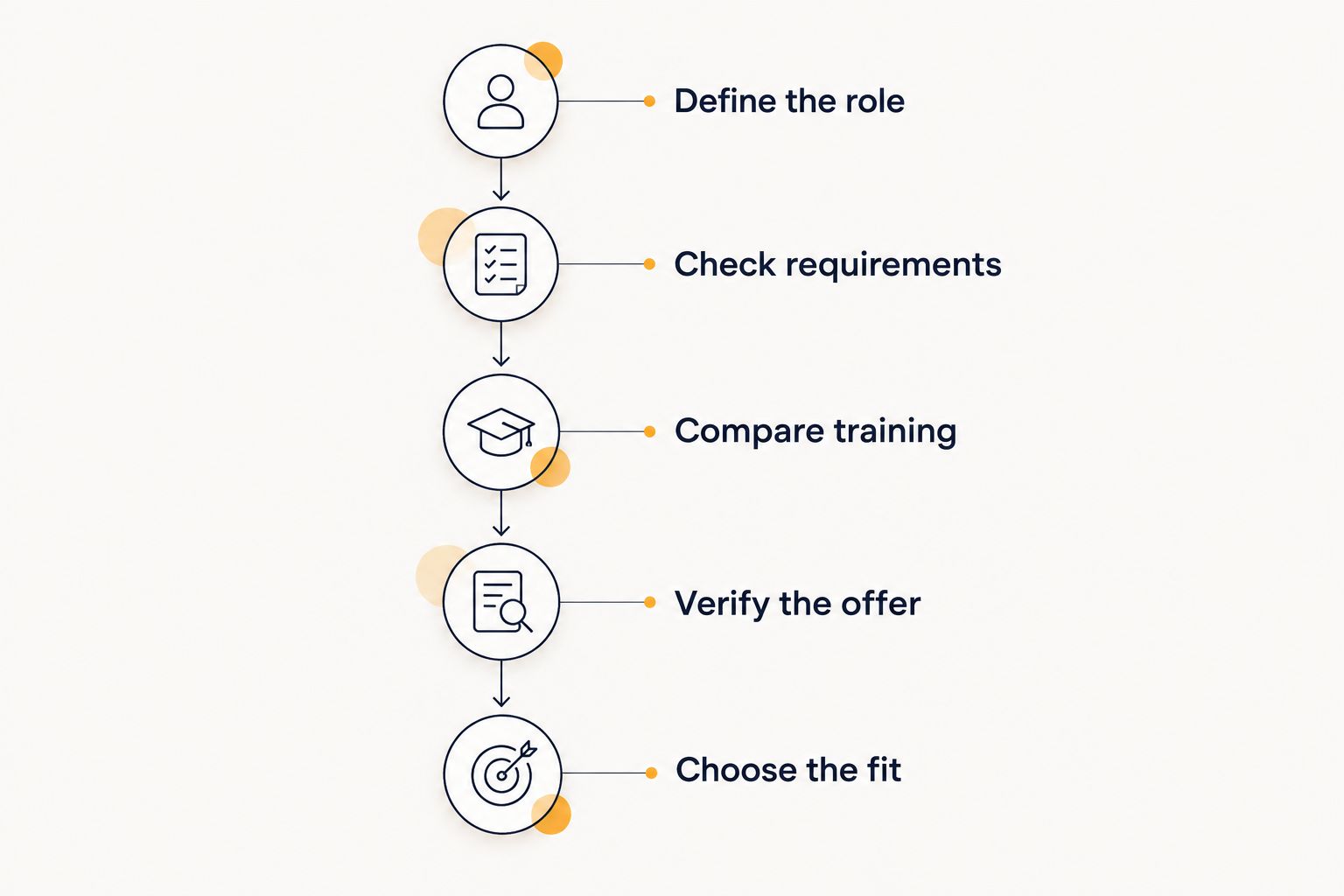
Use a short sequence that connects employer requirements with program content. Keep written answers so that a reassuring conversation does not replace evidence.
- Define the role. Write down your intended clinical work, location, schedule, and practice setting. Separate essential requirements from preferences.
- Check requirements. Review relevant job descriptions, then confirm fellowship expectations with the hiring team and credentialing staff.
- Compare training. Ask each program how its curriculum develops the skills those roles require. Request examples of fellow responsibilities and feedback.
- Verify the offer. If direct practice is your alternative, obtain clear duties, onboarding arrangements, clinical support, and employment terms.
- Choose the fit. Select the path that addresses your documented needs without depending on an assumed outcome.
This sequence also exposes an incomplete plan. If you cannot define the role, comparing program prestige will not resolve the underlying uncertainty.
After completing the sequence, use RadBoard's radiology job search to compare roles across sources and save opportunities for closer review. The platform supports discovery; employers and training programs must confirm the details that determine your decision.
Compare radiology career opportunities
Search 5,000+ radiology positions aggregated from 20 sources.
What should I ask a fellowship program before accepting?
Ask questions that reveal what you will do, who will supervise you, and how the experience connects with your intended practice. Program reputation does not answer those operational questions.
Request details about:
- Clinical responsibility: Which interpretations, consultations, and procedures will you perform, and under what supervision?
- Feedback: Who reviews your work, how is feedback delivered, and how are training gaps addressed?
- Service obligations: What call, coverage, administrative, and teaching duties accompany the appointment?
- Career preparation: How does the program support the specific type of practice you intend to enter?
- Graduate experience: Can you speak with recent graduates whose current work resembles your goal?
Ask graduates whether their daily work matched their expectations and which parts of training they use now. Their experience helps you formulate better questions; it does not guarantee your outcome.
Choose documented training content over an impressive but undefined promise. If a benefit matters enough to drive your decision, ask how the program delivers it.
Can I get a radiology job without a fellowship?
A radiology fellowship is not a universal answer to job eligibility; the answer depends on the position, your qualifications, and credentialing requirements. Confirm those requirements directly before ruling yourself in or out.
When evaluating a role without fellowship, focus on independent scope and support rather than the job title alone. Ask the employer to explain how your preparation matches the duties you would assume.
Will a radiology fellowship guarantee higher earnings?
A radiology fellowship does not guarantee higher earnings. Compare actual employment terms, including workload, call, benefits, and compensation structure, before attributing a financial difference to training.
For a 2026 fellowship decision, treat an unsupported salary expectation as an assumption to verify, not a benefit already earned. Training can still be worthwhile for clinical or career reasons without a demonstrated earnings premium.
Should I do a fellowship if I want subspecialty-only work?
Fellowship is worth evaluating when you want subspecialty-only work, but the job's actual coverage obligations still matter. Confirm how much work falls within the subspecialty and what general coverage accompanies it.
Then assess whether the program teaches the work that role requires. A matching fellowship label is useful context, not a substitute for reviewing the curriculum and job duties.
FAQ
Is a radiology fellowship worth it in 2026?
A radiology fellowship is worth it in 2026 when it develops skills required for your intended work or meets a verified hiring requirement. Compare that benefit with delayed attending earnings, additional training obligations, and a realistic employment alternative.
Can I become an attending radiologist without doing a fellowship?
Whether you can enter a particular attending role without fellowship depends on your qualifications, employer requirements, and facility credentialing. Confirm all three before treating a job as a realistic alternative to additional training.
Will doing a fellowship increase my radiologist salary?
Fellowship does not guarantee a salary increase. Compare actual offers with similar duties, schedules, call obligations, and benefits before drawing a financial conclusion.
How do I know which radiology fellowship is right for me?
The right fellowship addresses a defined training need for the work you want. Compare curriculum, supervised responsibilities, feedback, and graduate experience against that goal.
Should I do a fellowship just because I am unsure about my first job?
Uncertainty alone is not a sufficient reason to choose fellowship. Identify whether your concern is a specific clinical training gap, an unsuitable job offer, or an undefined career preference.
Can a radiology job platform tell me whether fellowship is required?
RadBoard can help you find radiology opportunities and compare published descriptions, but the employer must confirm fellowship requirements. Verify eligibility and credentialing before relying on a listing.
One last thing
Before accepting fellowship, write the description of the attending job you want afterward. Include clinical scope, schedule, location, and support—not just a subspecialty title.
Then ask the program to explain how its training prepares you for that work. For your 2026 decision, the strongest reason to choose fellowship is a clear connection between what you will learn and what you intend to do.