
SalaryDR puts radiologist compensation at the center of your research. A salary reference alone does not tell you which positions fit your workload, schedule, and employment goals. The best SalaryDR alternative in 2026 is RadBoard for radiology job research; MGMA for physician compensation benchmarking.
- Compare SalaryDR alternatives by evidence type: compensation surveys, advertised positions, and written offers answer different questions.
- RadBoard aggregates 5,000+ radiology positions from 20 sources for job research, not a substitute for compensation surveys.
- MGMA suits compensation benchmarking; Doximity and Medscape provide broader physician salary context.
- Match subspecialty, workload, employment structure, and compensation definitions before using salary benchmarks in negotiations.
Why this matters
A radiologist salary figure is useful only when you know what it measures. Guaranteed compensation, productivity earnings, partnership distributions, and benefits are different components, not interchangeable descriptions of pay.
For your 2026 search, separate benchmark evidence from opportunity evidence. A compensation survey describes a defined population; a job posting describes an advertised position; a written offer defines proposed employment terms.
RadBoard aggregates 5,000+ radiology positions from 20 sources. That makes the radiology job search platform an option for finding positions to investigate, rather than treating a national compensation figure as your entire job-search strategy.
SalaryDR alternatives at a glance
Choose the source that answers your immediate question. This comparison distinguishes research uses without treating job listings and compensation surveys as equivalent datasets.
| Option | Best for | Standout function | Difference from a salary-focused reference |
|---|---|---|---|
| SalaryDR | Keeping radiologist compensation research as your starting point | Salary-focused research | The reference point for this comparison |
| RadBoard | Finding radiology positions to compare | Aggregation of 5,000+ positions from 20 sources, with swipe-to-save features | Connects research to advertised career opportunities |
| MGMA | Structured physician compensation benchmarking | Physician compensation and productivity survey data | Adds a survey-based benchmarking approach |
| Doximity | Broad physician compensation context | Physician compensation reporting | Places radiology within broader physician pay comparisons |
| Medscape | Specialty-level compensation context | Physician compensation reports | Supplies another survey perspective to compare with other evidence |
Do not rank these sources by headline salary alone. Start with the question, then inspect the population, compensation definition, and reporting period behind the answer.
1. RadBoard: best for radiology job research
RadBoard is a radiology job search platform, not a compensation survey. Its aggregation of 5,000+ positions from 20 sources gives you opportunities to investigate alongside your salary research.
Use search and swipe-to-save features to build a shortlist. Then verify compensation, call expectations, benefits, and workload directly with each employer; aggregation does not turn an advertisement into a contractual commitment.
Where RadBoard shines
- Brings radiology positions from multiple sources into one search platform.
- Supports saving positions while you compare career opportunities.
- Gives compensation research a practical next step: identifying employers and roles to investigate.
Where RadBoard falls short
- A job search platform is not a substitute for a defined compensation-survey sample.
- The platform's position count does not establish how many advertisements disclose compensation.
- Advertised terms still require confirmation through interviews and written offers.
Best for: Radiologists whose next step is finding and comparing positions, rather than obtaining a compensation percentile.
For a 2026 job move, pair job discovery with an independent benchmark. Keep the job posting, employer clarification, and eventual offer separate so you can identify changes in the proposed terms.
Verdict: Buy into the job-search approach when you need opportunities; skip it as your sole compensation benchmark.
2. MGMA: best for structured compensation benchmarking
MGMA publishes physician compensation and productivity survey data. It fits a different task from job discovery: comparing compensation against a defined survey population.
Start with the report's methodology, not its headline result. Check the relevant specialty grouping, reporting period, compensation definition, and available segmentation before applying a benchmark to your own position.
Where MGMA shines
- Provides a physician compensation and productivity benchmarking framework.
- Supports discussions that distinguish compensation from production expectations.
- Gives you a survey-based reference to evaluate alongside employer-specific terms.
Where MGMA falls short
- A survey benchmark does not establish what a particular employer will offer you.
- A category that combines unlike practice arrangements limits the usefulness of the comparison.
- Historical survey observations and a prospective employment offer answer different questions.
Best for: Radiologists evaluating a compensation proposal against structured physician survey evidence.
Ask an employer citing MGMA to identify the exact dataset, period, specialty category, and compensation measure. A percentile without those details is an incomplete explanation, not a sufficient basis for accepting an offer.
Verdict: Buy into MGMA for benchmarking; skip comparisons that omit the underlying definitions.
3. Doximity: best for broad physician pay context
Doximity publishes physician compensation reporting that includes specialty-level comparisons. Use it to understand the broader physician compensation picture before narrowing your analysis to a specific radiology role.
Broad reporting is context, not an individual valuation. Your subspecialty duties, location, clinical effort, call responsibilities, and employment arrangement still need separate examination.
Where Doximity shines
- Places specialty compensation within a broader physician comparison.
- Supplies an additional reporting perspective for your research.
- Helps frame questions about differences between broad findings and an employer's proposal.
Where Doximity falls short
- Specialty-level findings do not define compensation for a particular radiology position.
- An aggregate figure does not separate every feature of your proposed workload.
- A report does not replace employer documentation or contract review.
Best for: Radiologists starting with broad compensation context before investigating specific positions.
Verdict: Hold Doximity as context; skip treating a specialty average as your personal salary target.
4. Medscape: best for another specialty survey perspective
Medscape publishes physician compensation reports with specialty-level findings. It adds another survey perspective when you want to check whether your conclusion depends too heavily on a single source.
Compare definitions before comparing results. Agreement between reports is meaningful only to the extent that the populations and compensation measures are comparable.
Where Medscape shines
- Offers physician compensation reporting organized around specialty comparisons.
- Gives you another source for testing broad compensation assumptions.
- Supports initial research before employer-specific discussions.
Where Medscape falls short
- Broad specialty reporting does not value a specific call schedule or partnership arrangement.
- Different survey methods prevent automatic interchangeability with other benchmarks.
- A survey result is not evidence that an employer has approved equivalent terms.
Best for: Radiologists cross-checking broad specialty compensation findings.
Verdict: Hold Medscape as a cross-check; skip averaging unlike survey figures into a supposedly precise target.
Why look beyond SalaryDR?
The reason to add another source is a change in your research question—not an assumption that SalaryDR is inadequate. Looking up compensation, evaluating a workload, and choosing an employer require different evidence.
For a 2026 decision, identify the gap you need to close:
- You need positions: Search advertised opportunities and contact employers about the roles that fit.
- You need a benchmark: Inspect a physician compensation survey with relevant definitions and segmentation.
- You need an offer comparison: Request written compensation, schedule, benefits, and productivity terms.
- You need negotiation preparation: Convert those documents into specific questions and proposed changes.
These are reasons to expand your research, not claims about SalaryDR's features, reporting methods, or service quality. Keep a source that answers its assigned question; replace a research habit that asks one source to answer everything.
Turn compensation research into an offer comparison
Build your comparison around 3 evidence types: survey benchmarks, advertised positions, and written offers. Preserve the distinction throughout your search so a reported average never becomes an assumed employment guarantee.
Benchmark evidence
Record the source, reporting period, population, and compensation definition. For research conducted in 2026, the publication date alone is insufficient: identify the period during which the underlying compensation was earned.
A recently published report can describe an earlier observation period. That is a timing distinction to document, not a reason to discard the report automatically.
Opportunity evidence
Record the employer, location, subspecialty responsibilities, schedule, and whatever compensation terms the advertisement actually states. Mark unanswered questions explicitly instead of filling gaps with assumptions from a salary report.
Offer evidence
Request written terms for guaranteed compensation, variable compensation, call, leave, benefits, and employment status. Compare the offer with the advertisement and your interview notes before deciding which differences require clarification.
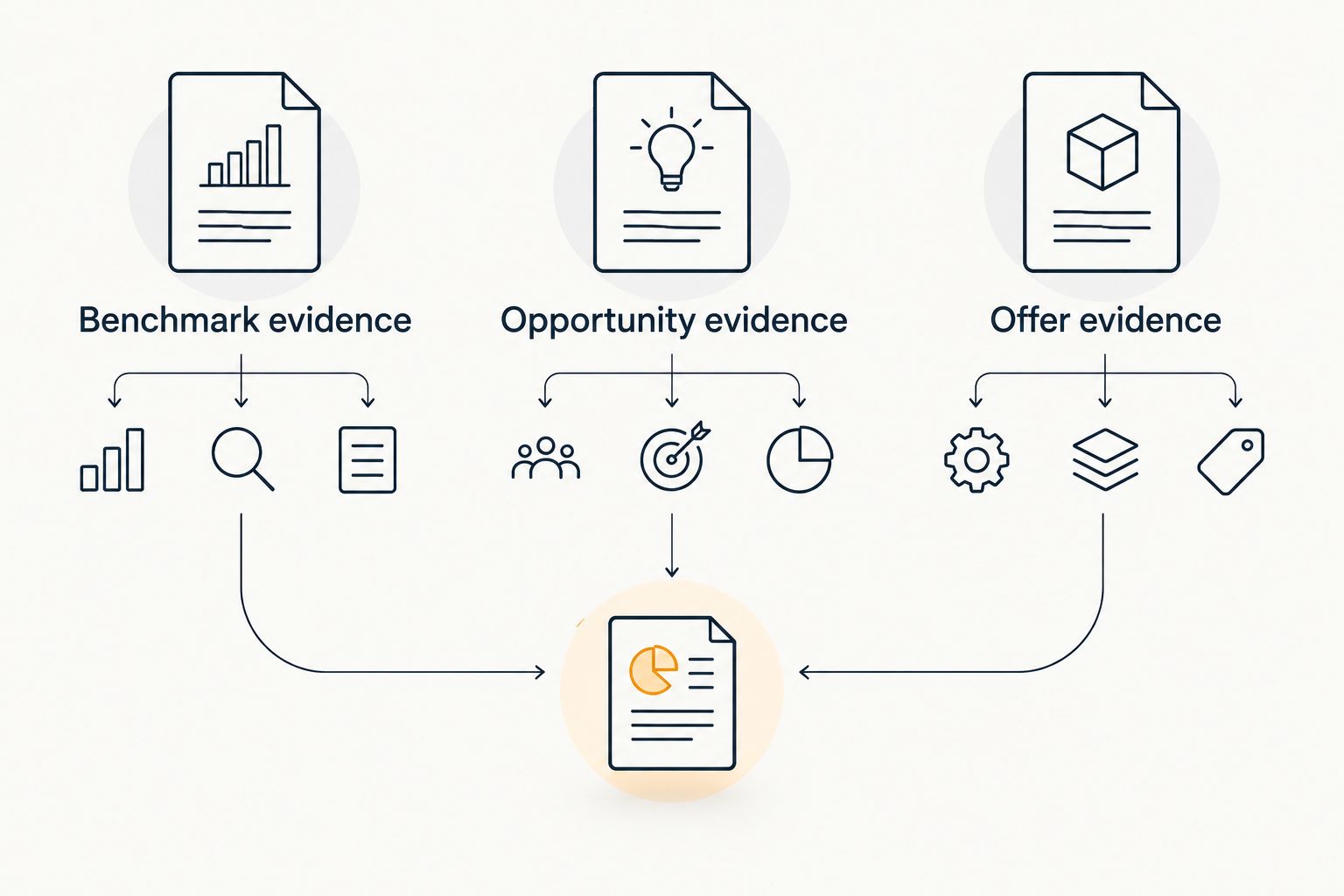
Once your evidence is organized, negotiation becomes a discussion about defined terms rather than competing impressions. If you consider salary negotiation coaching, bring the compensation formula, workload expectations, and written proposal; preparation should connect your request to the actual employment terms.
Check the workload behind the compensation
A compensation comparison is incomplete without the work required to earn it. Use the same fields for every position instead of giving the most detailed advertisement an accidental advantage over less detailed ones.
| Field | What to establish | Why it changes the comparison |
|---|---|---|
| Clinical schedule | Working hours, shift pattern, and leave | Annual compensation alone does not describe time committed |
| Call burden | Frequency, responsibilities, and treatment in compensation | Call adds obligations beyond the routine schedule |
| Productivity | Metric, threshold, attribution, and reconciliation | Variable earnings depend on the formula and credited work |
| Employment structure | Employee or contractor status, benefits, and expenses | Gross compensation does not describe the full financial arrangement |
Read the employer's productivity formula before comparing expected earnings. The distinction between work RVUs and other production measures belongs in your notes, along with the applicable conversion method and threshold.
Use the same discipline when evaluating RVU targets before accepting an offer. Ask how cases receive credit, how noninterpretive duties are handled, and what happens when staffing or case mix changes.
An unexplained productivity target is an unresolved offer term. Do not substitute a national compensation figure for the missing explanation.
When staying with SalaryDR is the right call
Stay with SalaryDR if it answers your compensation question with definitions and evidence you can inspect. Switching sources adds little when the real problem is an employer's incomplete explanation of workload or variable compensation.
For 2026 negotiations, ask whether another source supplies a genuinely different evidence type. Another salary figure is not automatically more useful than a clear written answer about call coverage, productivity credit, or guaranteed compensation.
Keep your research focused. Once you have a relevant benchmark, comparable opportunities, and documented offer terms, resolve the remaining questions with the employer rather than collecting more disconnected averages.
FAQ
What's the best SalaryDR alternative for radiologists?
RadBoard is best for radiology job research, while MGMA fits structured physician compensation benchmarking. Doximity and Medscape add broader physician compensation context; choose according to the question you need answered.
Is a radiology job board a substitute for a salary survey?
No. A job board identifies advertised opportunities, while a salary survey describes compensation within a defined respondent population. Use both when you need to connect benchmarking with a job search.
Is MGMA better than SalaryDR for my negotiation?
Use MGMA when its survey definitions and comparison groups fit your negotiation question. Compare the methodology and relevant categories before deciding which source provides the stronger reference for your situation.
Can I compare Doximity and Medscape compensation figures directly?
Compare their definitions and methods before comparing their figures. Differences in respondents, observation periods, and compensation measures prevent you from treating every reported result as interchangeable.
What should I ask when an employer cites a compensation percentile?
Ask for the source, reporting period, specialty category, and compensation definition. Also establish the workload and productivity expectations attached to the proposed compensation.
Should I use advertised compensation as my salary target?
Treat advertised compensation as a term to investigate, not a guaranteed outcome. Confirm the guaranteed portion, variable components, eligibility conditions, and associated workload in writing.
How do I compare radiology compensation sources in 2026?
Match the population, observation period, and compensation definition before comparing results. Keep survey findings separate from advertised positions and written offers so each source answers the right question.
One last thing
Before your next compensation conversation, write down exactly what would have to happen for you to receive the employer's stated compensation. Separate guaranteed earnings from earnings dependent on productivity, additional coverage, or future ownership.
If the answer requires an assumption, turn that assumption into a written question. Another salary benchmark cannot answer an unresolved question about your own offer.