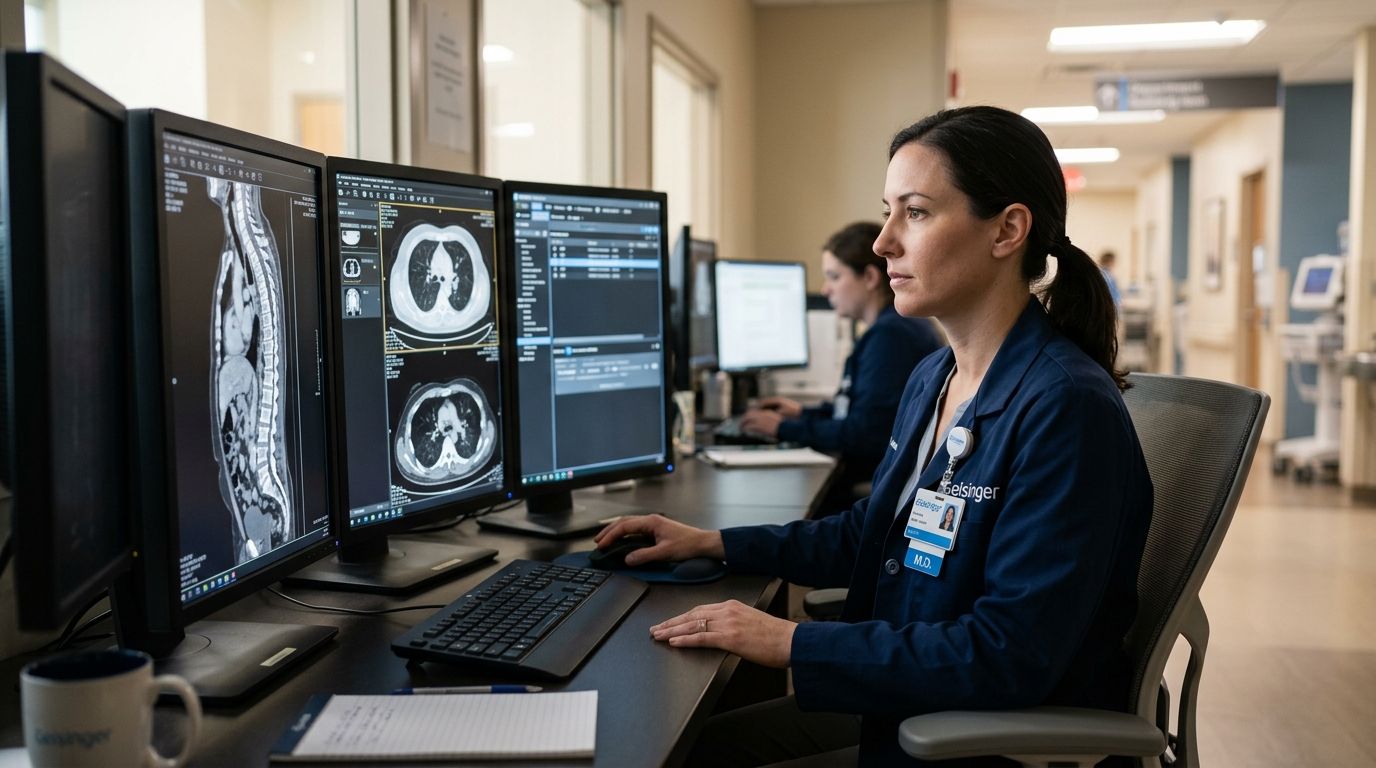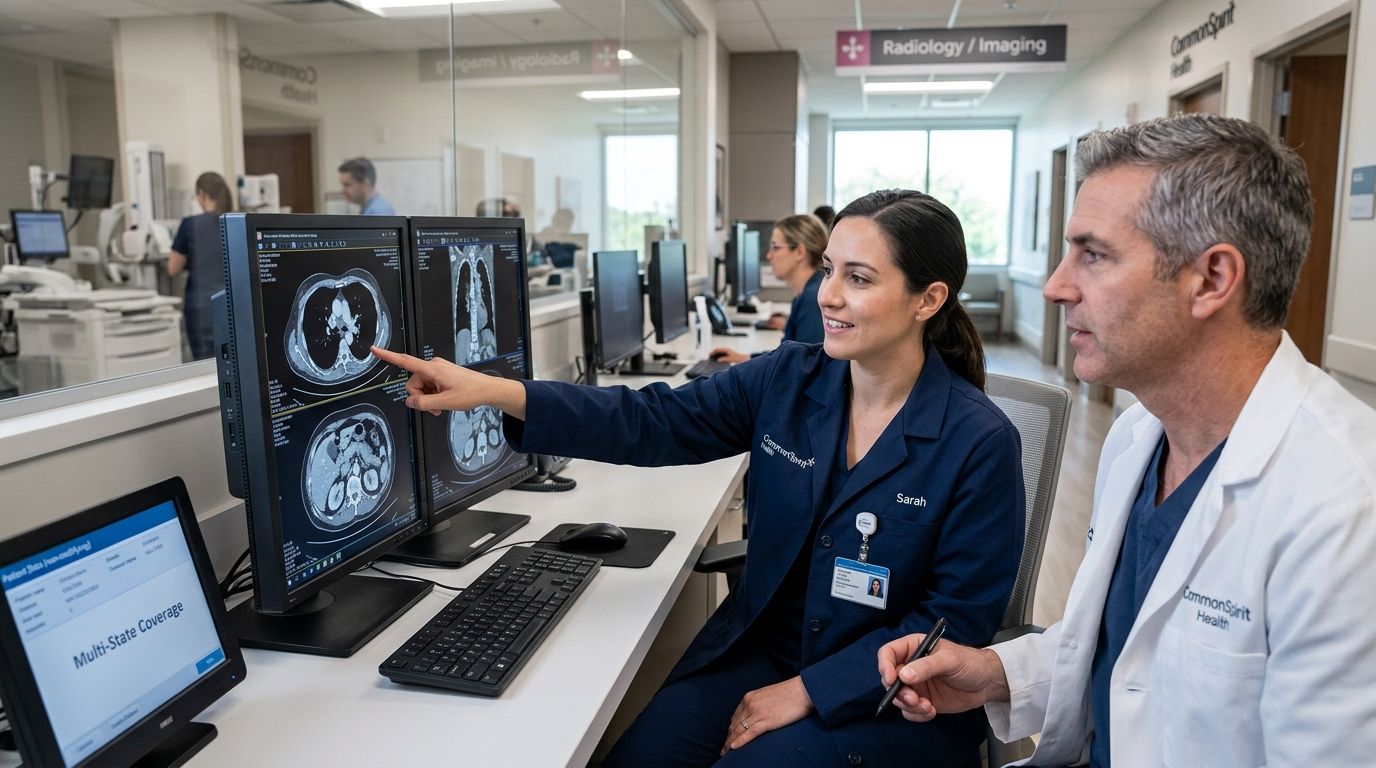
Locum tenens whole-body MRI jobs for preventive screening place board-certified radiologists into short-term reading contracts at direct-to-consumer imaging clinics, covering volume spikes without adding a permanent seat. These assignments demand comfort reading across the brain, spine, cardiac silhouette, abdomen, pelvis, and MSK structures in a single exam, plus a workflow for incidental findings that hospital-based radiology rarely trains for.
- Locum tenens whole-body MRI jobs for preventive screening need cross-system read skill, not one subspecialty.
- RadBoard aggregates 5,000+ radiology jobs from 20 sources, including locum whole-body MRI listings.
- Verify the clinic's incidental-finding follow-up protocol before signing - unmanaged findings are the top locum complaint.
- Calculate true hourly rate including licensing and travel costs before comparing locum offers.
- State licensing can outlast a short locum contract - confirm the timeline before you accept.
Why locum tenens whole-body MRI jobs matter for preventive screening radiologists
Direct-to-consumer whole-body MRI clinics run on cash-pay volume, and volume swings don't respect a permanent staffing model. When a clinic opens a new site or runs a marketing push, it needs a radiologist reading that week, not after a six-month recruiting cycle. That's the gap locum tenens whole-body MRI jobs fill.
RadBoard tracks 5,000+ radiology jobs from 20 sources, and the 2026 US radiology job market report puts active listings at 3,700+ across subspecialties. Locum tenens whole-body MRI jobs for preventive screening show up inside that pool alongside teleradiology, mammography, and general diagnostic postings, which means searching manually across job boards, agency sites, and clinic career pages eats hours you could spend on the actual read queue.
The read itself is also structurally different. A hospital radiologist reading a chest CT stays in one organ system. A whole-body MRI screening exam puts brain, cardiac, abdominal, pelvic, and MSK findings on the same worklist, often for an asymptomatic patient who paid out of pocket expecting a clean report. That combination changes what a locum contract needs to specify before you sign it.
1. Map your subspecialty coverage to whole-body protocols
Before you accept any locum tenens whole-body MRI assignment, confirm which organ systems the clinic's protocol actually requires you to read independently versus flag for a subspecialist overread.
- List every sequence in the clinic's standard protocol (brain, spine, cardiac, liver, pancreas, kidneys, prostate or pelvic organs, MSK)
- Confirm whether cardiac MRI findings route to a separate cardiac imaging read or fall on you
- Ask if prostate or breast findings trigger a PI-RADS or BI-RADS-style structured report
- Check whether the clinic expects one combined report or per-system addenda
- Verify your CV covers general body MRI at minimum, since single-organ fellowship training alone won't cover the full study
2. Vet the clinic's incidental-finding and follow-up workflow
Asymptomatic screening finds things. The question isn't whether you'll flag an incidental nodule or cyst - it's who calls the patient and what happens next.
- Ask who owns patient communication: you, a clinic physician, or a nurse navigator
- Confirm the escalation path for findings that need urgent same-day contact
- Check if the clinic has a referral network for follow-up imaging or specialist visits
- Get the reporting template in advance so your incidental-finding language matches clinic policy
- Ask how many prior locums have flagged workflow gaps here before you sign
3. Search locum tenens listings the fast way
Manually checking staffing agency sites, clinic career pages, and general job boards one at a time is the slow path, and it's how locum radiologists miss short-notice openings that fill in days.
- Search agency-posted locum listings directly on staffing firm sites
- Check clinic career pages for direct 1099 postings that skip the agency fee
- Set alerts for "whole-body MRI" and "preventive screening" combined with "locum"
- Use an AI-powered aggregator like RadBoard to pull listings from 20 sources into one search instead of a dozen
- Swipe through matched listings instead of re-reading full postings to filter by state, pay basis, and start date
4. Calculate your true locum pay and hourly rate
A quoted day rate or per-study rate doesn't tell you what the assignment actually nets you once travel, licensing fees, and downtime between contracts are subtracted.
- Add licensing and credentialing fees for the assignment state to your cost side
- Factor in travel and lodging if the role isn't remote
- Estimate downtime between locum contracts and spread it across your annual income target
- Compare per-study rates against your average daily read volume for whole-body exams specifically, not general diagnostic volume
- Run the full math using a true hourly rate calculation before comparing two offers side by side
5. Confirm state licensing and credentialing timeline
Locum contracts run short. State licensing sometimes doesn't.
- Check whether the assignment state participates in the Interstate Medical Licensure Compact
- Ask the clinic or agency who handles the license application and who pays for it
- Confirm hospital or clinic credentialing timeline separately from the state license
- Get a written start date contingency in case licensing runs long
- Ask if a temporary or provisional license option exists for short assignments
6. Negotiate the contract terms unique to locum whole-body MRI work
Standard locum contract language doesn't always account for multi-organ read volume or incidental-finding liability.
- Confirm malpractice coverage type (claims-made vs occurrence) and who covers tail costs
- Negotiate a per-study rate that reflects reading five to six organ systems per exam, not a single-system rate
- Clarify overtime or bonus pay if daily volume exceeds the contracted cap
- Get termination notice terms in writing, especially for shorter assignments
- Ask about housing or travel stipends if the role requires relocation
7. Prepare for read volume and turnaround expectations
Cash-pay screening clinics often promise same-day or next-day turnaround to patients, which puts pressure on your daily read pace from day one.
- Ask the clinic's average daily exam volume per radiologist before you start
- Confirm expected turnaround time per report
- Check if a second radiologist or subspecialist is available for complex findings
- Ask about PACS and dictation software training time before your first shift
- Confirm whether weekend or evening coverage is part of the locum block
Locum coverage options for whole-body MRI screening
| Coverage Option | Best For | Typical Pay Basis | Key Limitation |
|---|---|---|---|
| Locum staffing agency placement | Radiologists who want a recruiter handling credentialing and contract terms | Daily or per-study locum rate set by the agency | Agency placement fee reduces your net rate |
| Direct 1099 contract with the clinic | Radiologists comfortable negotiating their own terms | Hourly or per-exam rate negotiated directly | You handle your own credentialing and malpractice tail |
| National imaging chain locum pool | Radiologists who want repeat assignments across multiple sites | Rate varies by site and contracted volume | Read volume can spike unpredictably during promotional periods |
| Teleradiology locum for whole-body MRI | Radiologists who want to read remotely without relocating | Per-study or hourly remote rate | Requires licensure in the clinic's state and a compliant home reading setup |
The verdict: locum tenens whole-body MRI jobs for preventive screening pay off fastest for radiologists who already read general body MRI and can move through state licensing in weeks, not months - everyone else should budget extra runway before the first contract starts.
Common mistakes radiologists make with locum whole-body MRI screening
- Underestimating incidental-finding volume. Asymptomatic screening surfaces findings outside the primary indication far more often than referral-based imaging, and radiologists who haven't read whole-body screening before get caught flat-footed on reporting language.
- Assuming one subspecialty covers the exam. A cardiac-trained radiologist who hasn't read MSK or neuro sequences recently will slow down on a combined whole-body report.
- Skipping the malpractice tail conversation. Locum contracts that end mid-year can leave a tail coverage gap if it's not negotiated up front.
- Not confirming who talks to the patient. Direct-to-consumer clinics vary widely on whether the radiologist, a nurse navigator, or clinic staff delivers findings, and assuming the wrong model creates friction on day one.
- Ignoring protocol drift across multi-site locum work. Two clinics under the same brand can run different whole-body MRI protocols, and reading against the wrong template slows turnaround.
Search locum radiology jobs now
5,000+ listings from 20 sources, filtered by subspecialty and location.
FAQ
What is a locum tenens whole-body MRI job for preventive screening?
It's a short-term contract reading whole-body MRI screening exams at a direct-to-consumer imaging clinic, covering staffing gaps or volume spikes without a permanent hire. The read spans multiple organ systems in one exam instead of the single-system focus typical of hospital radiology.
How is reading whole-body MRI screening different from hospital radiology?
Whole-body screening combines brain, cardiac, abdominal, pelvic, and MSK findings into one report for an asymptomatic, cash-pay patient. Hospital radiology usually isolates one organ system per study tied to a clinical indication.
Do locum whole-body MRI radiologists need multiple subspecialty certifications?
No formal multi-subspecialty certification is required, but general body MRI training that covers several organ systems is expected. Clinics often route cardiac or breast-specific findings to a separate subspecialist overread.
How much do locum tenens whole-body MRI jobs pay in 2026?
Pay structure varies by contract - some clinics use a day rate, others a per-study rate - and published figures differ by agency and location. Check current listings for posted rates before comparing offers.
Who covers malpractice tail insurance for a locum whole-body MRI contract?
Coverage depends on whether the policy is claims-made or occurrence-based, and whether the agency, clinic, or radiologist is responsible for tail costs. Confirm this in writing before signing, since a short locum contract can leave a coverage gap if it's not negotiated.
How do preventive screening clinics handle incidental findings on whole-body MRI?
Workflows vary: some route findings through a nurse navigator, others expect the radiologist to contact the patient directly. Confirm the escalation path before starting, since incidental findings are common on asymptomatic whole-body screening.
Can teleradiologists read whole-body MRI screening remotely as a locum?
Yes, if you hold an active license in the clinic's state and have a compliant home reading setup. Teleradiology locum contracts for whole-body MRI still require the same multi-system read competency as onsite roles.
How do I find locum tenens whole-body MRI jobs fast?
Search staffing agency sites, clinic career pages, and aggregated job platforms together rather than one at a time. An AI-powered search tool that pulls from multiple sources cuts the manual search time significantly.
One last thing
The bottleneck in locum tenens whole-body MRI jobs for preventive screening usually isn't clinical skill - it's licensing lag. Clinics running national screening campaigns need a radiologist live in-state fast, and that turnaround eliminates most candidates before pay ever enters the conversation. Start your license application before you've locked in the contract, not after.