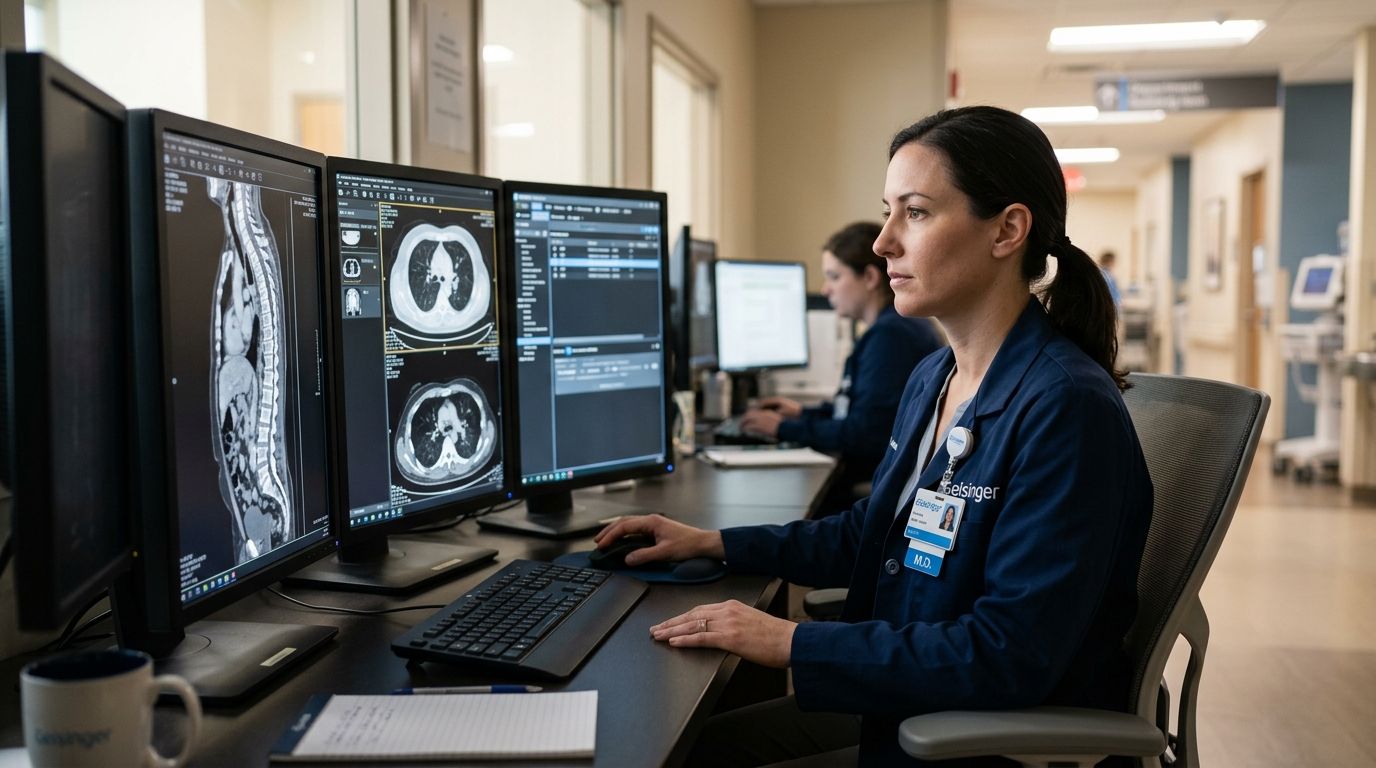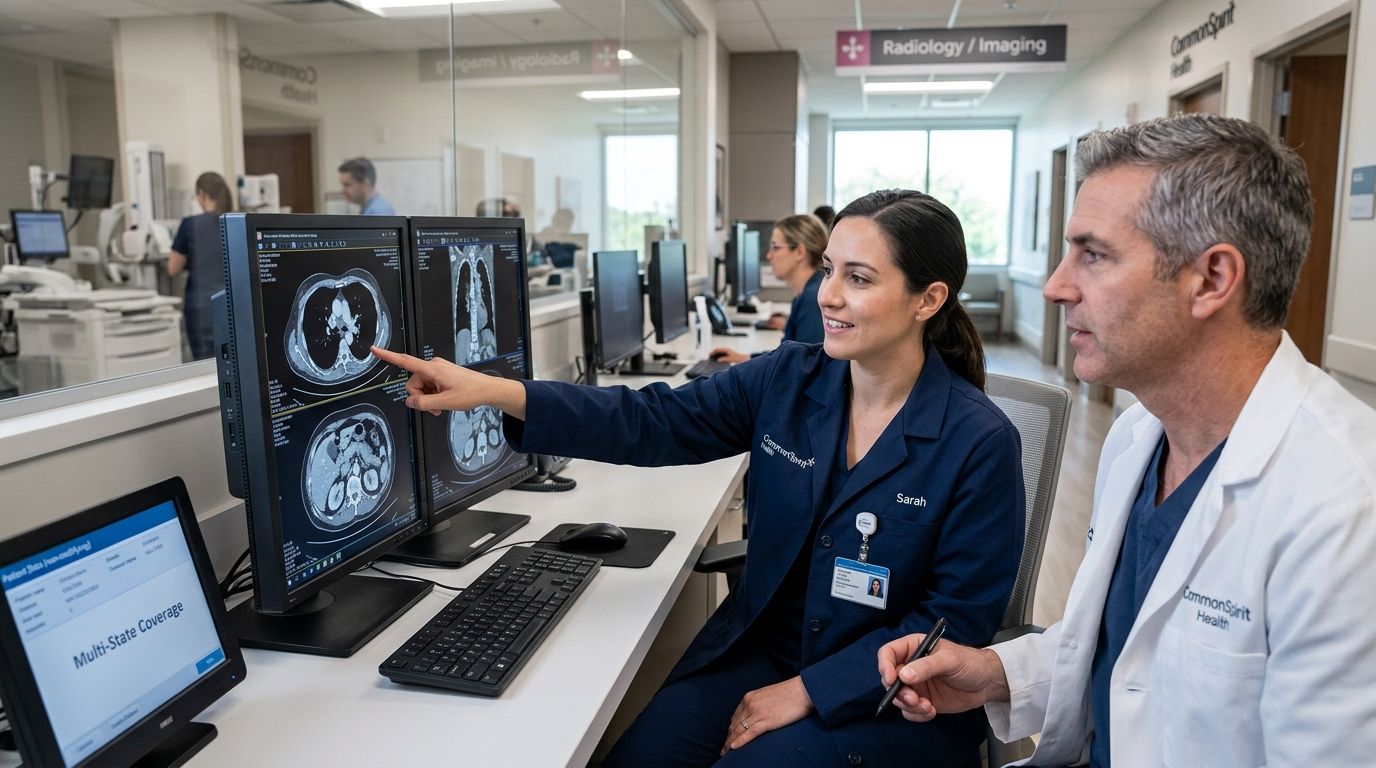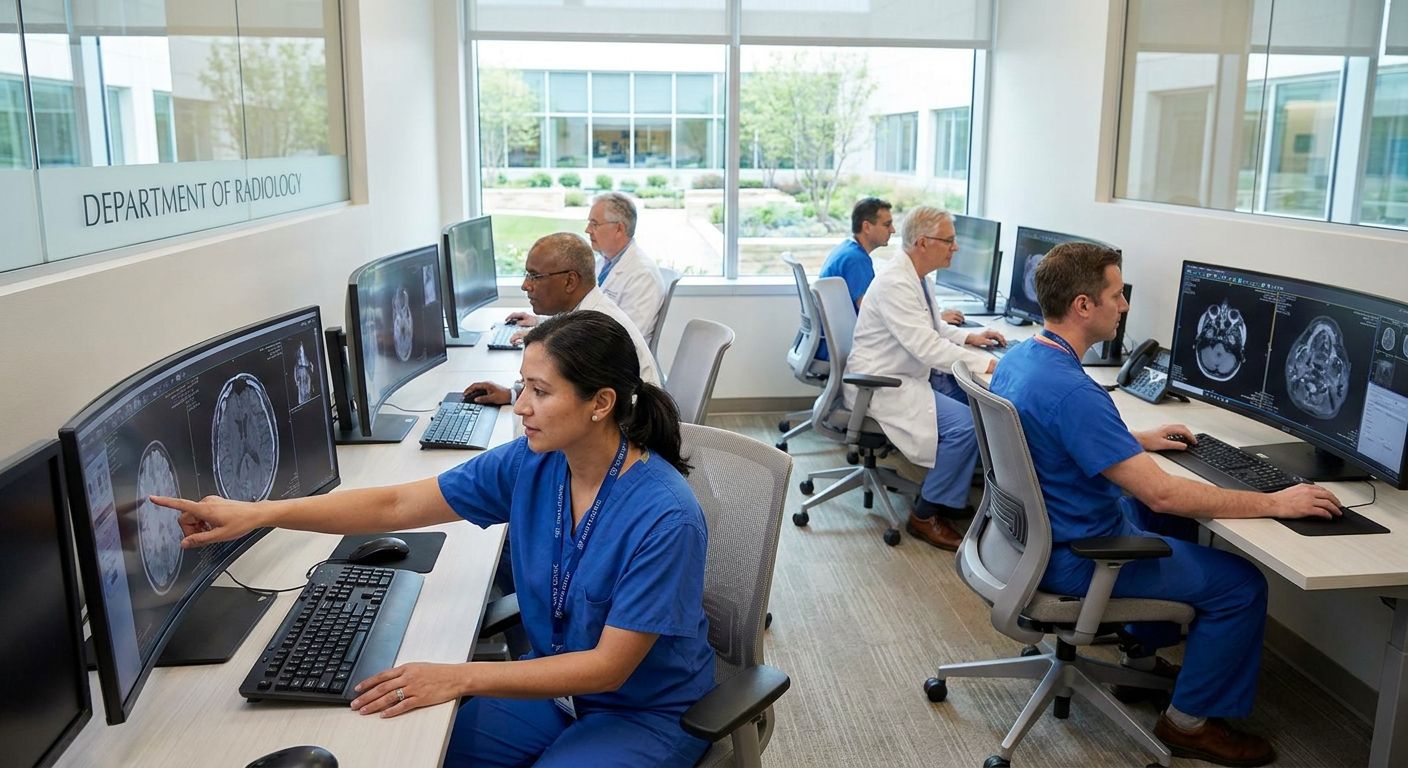
Mayo Clinic radiology jobs split into two distinct hiring tracks: academic positions tied to teaching and research at Mayo Clinic Alix School of Medicine, and clinical positions built around high-volume interpretation across the Rochester, Phoenix/Scottsdale, and Jacksonville campuses. The CV, interview loop, and negotiation approach for each track differ enough that treating them the same costs candidates interviews in 2026.
- Mayo Clinic radiology jobs run on two tracks - academic (teaching, research, tenure-track) and clinical (production-focused) - across three campuses in Minnesota, Arizona, and Florida.
- Academic track CVs need publication history and teaching evaluations; clinical track CVs need RVU throughput numbers and subspecialty certifications.
- Compensation structures diverge by track: academic offers often bundle retirement contributions and protected research time instead of a pure RVU bonus.
- RadBoard aggregates radiology postings from 20 sources so academic and clinical openings at multi-campus systems surface in one search instead of three separate career pages.
Why this matters
A single radiology department can run two hiring pipelines under one name. Mayo Clinic's academic radiology group and its clinical staffing arm evaluate candidates on different criteria, and a CV built for one track often gets filtered out of the other before a human reads it. Knowing which track a posting belongs to before you apply saves weeks of back-and-forth in 2026's already slow academic hiring cycles.
Why Mayo Clinic radiology jobs matter for academic and clinical track candidates
Mayo Clinic operates full academic campuses in Rochester, Minnesota; Phoenix/Scottsdale, Arizona; and Jacksonville, Florida, each affiliated with residency and fellowship training through Mayo Clinic Alix School of Medicine. That structure means an academic radiology opening in Rochester carries teaching and resident-supervision duties that a similarly titled position at a smaller community hospital would not.
Clinical track radiologists at the same system read at volumes closer to a private practice model, without the protected research time built into tenure-track contracts. The two tracks post through different internal requisition systems even when they appear side by side on a general job board, which is why searching RadBoard for Mayo Clinic radiology jobs still requires reading each listing closely for track language before applying.
How to approach Mayo Clinic radiology jobs by track
Map the three-campus structure before you apply
Mayo Clinic's radiology hiring isn't centralized under one requisition system. Each campus runs its own committee, even for identically titled roles.
- Rochester, Minnesota: the original campus, with the largest residency and fellowship roster
- Phoenix/Scottsdale, Arizona: a full academic campus with its own hiring committee
- Jacksonville, Florida: a full academic campus, separate from Rochester's requisition system
- Mayo Clinic Health System sites in the upper Midwest operate under a different structure than the three academic campuses
Decide which track fits your career stage
Pick the track before you draft anything, since the wrong track application signals a mismatch to reviewers immediately.
- Tenure-track academic: protected research time, publication requirements, slower initial compensation ramp
- Clinician-educator: heavier teaching and resident supervision load, lighter formal research quota
- Clinical/production track: RVU-driven, closer to private practice pace, no tenure clock
- Radiologists without a fellowship-length research record typically enter through clinical or clinician-educator openings, not tenure-track
Build a CV that matches the track you're targeting
Academic and clinical reviewers scan for different evidence in the first ten seconds.
- Academic CV: publication list, grant history, national society committee work, teaching evaluations
- Clinical CV: RVU or volume numbers from prior positions, subspecialty board certifications, turnaround-time metrics
- Both tracks: current state licensure status and any pending MOC deadlines
- A competitive radiology CV for your first attending job still needs to prove attending-level clinical competence before an academic committee weighs research fit
Target the subspecialty openings that actually recruit at academic centers
Mayo Clinic's academic departments recruit across a narrower set of subspecialties on a rolling basis than a general community hospital does.
- Neuroradiology and body imaging carry consistent academic openings across multi-campus systems
- Breast imaging and interventional radiology openings often pair with dedicated research time
- Nuclear medicine and cardiac imaging recruit on a smaller, more specific cycle
- Reviewing academic radiology jobs for teaching and research physicians shows which subspecialties consistently carry protected non-clinical time versus which ones are clinical-heavy despite the academic label
Research the compensation model before the interview
Ask about the compensation structure before the on-site visit, not after an offer letter arrives.
- Base salary versus RVU bonus threshold
- Percentage of time protected for research or teaching versus pure clinical reads
- Retirement contribution structure, since academic contracts increasingly bundle 403(b) or pension-style matching instead of a straight production bonus
- Moonlighting and outside-income rules tied to the academic appointment
Academic contracts that trade a lower base for stronger retirement matching can outperform a higher RVU-only clinical package over a full career, and running both scenarios through retirement planning tools for physicians makes that comparison concrete instead of a guess based on the base salary line alone.
Negotiate track-specific contract terms
The terms that matter most differ by track, so negotiate them separately rather than using one generic checklist.
- Call schedule and night or weekend coverage load
- Non-compete radius tied to the specific campus
- Tenure clock length and promotion review timeline
- CME allowance and conference stipend
- Malpractice tail coverage terms at contract end
Compare Mayo Clinic openings against peer academic centers before committing
Once you know your track and subspecialty, compare Mayo Clinic against other academic systems running the same track structure rather than applying in isolation.
- Search radiology openings from 20 aggregated sources instead of checking each health system's career page separately
- Filter by academic versus clinical listing language
- Swipe-to-save shortlist by campus and subspecialty
- Cross-check compensation structure language across postings from comparable academic medical centers
Compare academic and clinical radiology openings
Search 5,000+ radiology postings from 20 sources, filtered by track.
Academic vs clinical track options at Mayo Clinic
| Track | Best for | Key limitation |
|---|---|---|
| Academic tenure-track | Radiologists building a research and grant portfolio | Slower compensation ramp; tenure clock adds years before full autonomy |
| Clinician-educator | Radiologists who want a teaching load without a heavy publication quota | Resident supervision still adds hours beyond pure interpretation |
| Clinical/production track | Radiologists prioritizing RVU-driven income over research time | Little to no protected non-clinical time |
| Locum bridge into either track | Radiologists testing a campus before a full contract | Short-term; no tenure clock credit |
Verdict: match your CV and interview prep to the track first, the campus second. A tenure-track application at Rochester and a clinical-track application at Jacksonville are two different hiring processes wearing the same institutional name.
Common mistakes academic and clinical track candidates make
- Sending the same CV to academic and clinical postings at the same institution
- Assuming a Rochester opening and a Jacksonville opening flow through the same hiring committee
- Underestimating resident and fellow supervision hours embedded in "academic" clinical positions
- Skipping the tenure clock and promotion timeline conversation until after the offer lands
- Treating retirement and benefits structure as fixed instead of negotiable within academic contracts
FAQ
Does Mayo Clinic hire radiologists directly into tenure-track academic positions?
Yes, tenure-track openings exist alongside clinician-educator and clinical-track positions across Mayo Clinic's academic campuses. The listing language distinguishes them, so confirm the track before applying rather than assuming a generic radiologist posting is tenure-track by default.
What's the difference between academic and clinical radiology jobs at Mayo Clinic?
Academic roles carry teaching and research expectations tied to Mayo Clinic Alix School of Medicine, while clinical or production-track roles focus on interpretation volume closer to a private practice pace. Compensation structure and promotion timeline differ between the two.
Which Mayo Clinic campus has the most radiology openings?
Openings rotate across the Rochester, Phoenix/Scottsdale, and Jacksonville campuses depending on subspecialty need at any given time. Check current listings by campus rather than assuming one site consistently posts more.
Do Mayo Clinic radiology jobs require fellowship training?
Subspecialty academic openings at large academic medical centers typically require fellowship training as a baseline standard. General diagnostic clinical roles may have more flexibility, but confirm requirements on each specific posting.
How much does a Mayo Clinic radiologist make in 2026?
Compensation varies by track, campus, and subspecialty and isn't published as a single fixed figure. Compare the RVU bonus structure and retirement contribution terms attached to each track rather than looking for one number.
What documents does an academic Mayo Clinic radiology application typically require?
Academic applications generally require a CV with publication history, a teaching statement, references, and current board certification status. Clinical-track applications weigh RVU and volume history more heavily than publication record.
How do I find Mayo Clinic radiology openings alongside other academic programs?
RadBoard aggregates radiology postings from 20 sources, which lets you compare Mayo Clinic academic and clinical listings against peer academic medical centers in one search instead of checking each career page separately.
One last thing
At multi-campus academic systems, a posting titled identically in Rochester and Jacksonville can sit under two separate requisition numbers with two separate hiring committees. Confirm the campus-specific requisition ID before you submit materials in 2026, not just the job title, or your application may land with the wrong reviewer entirely.