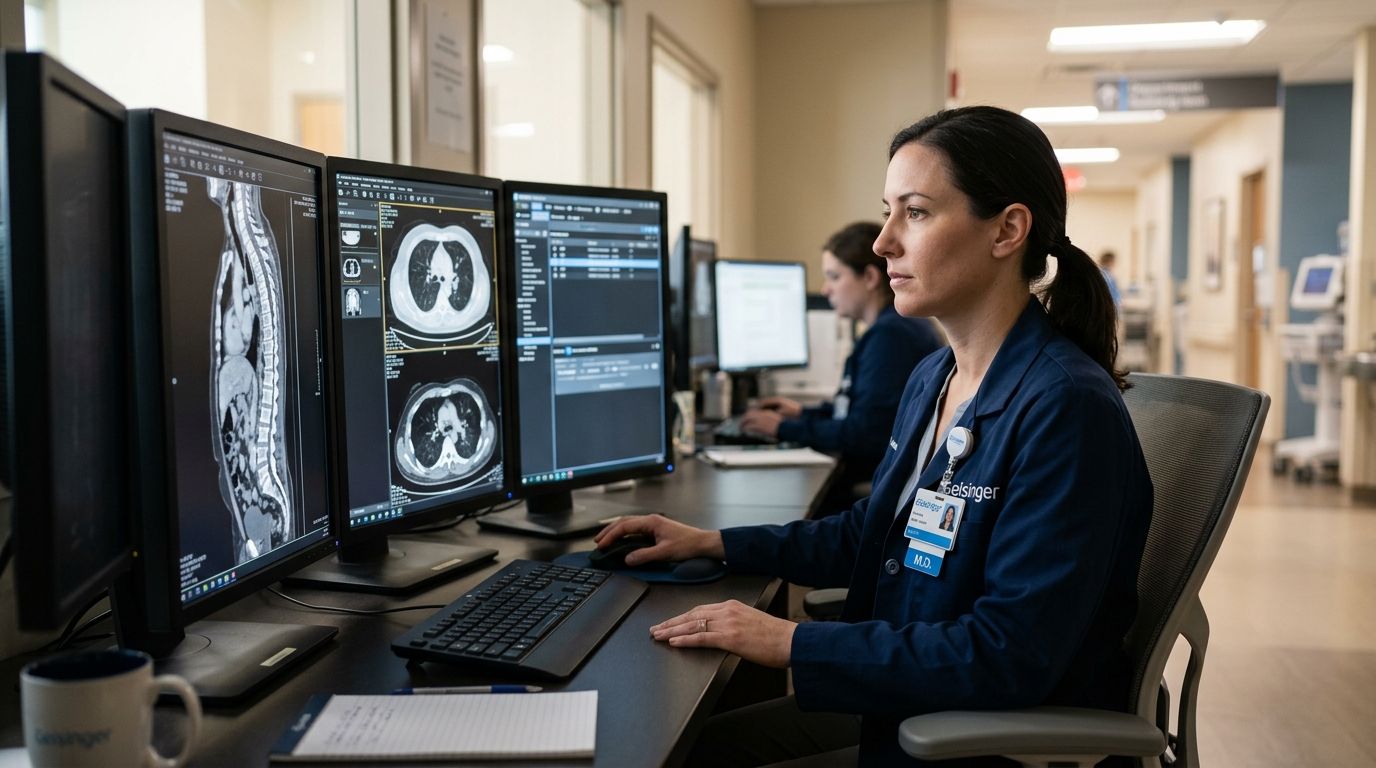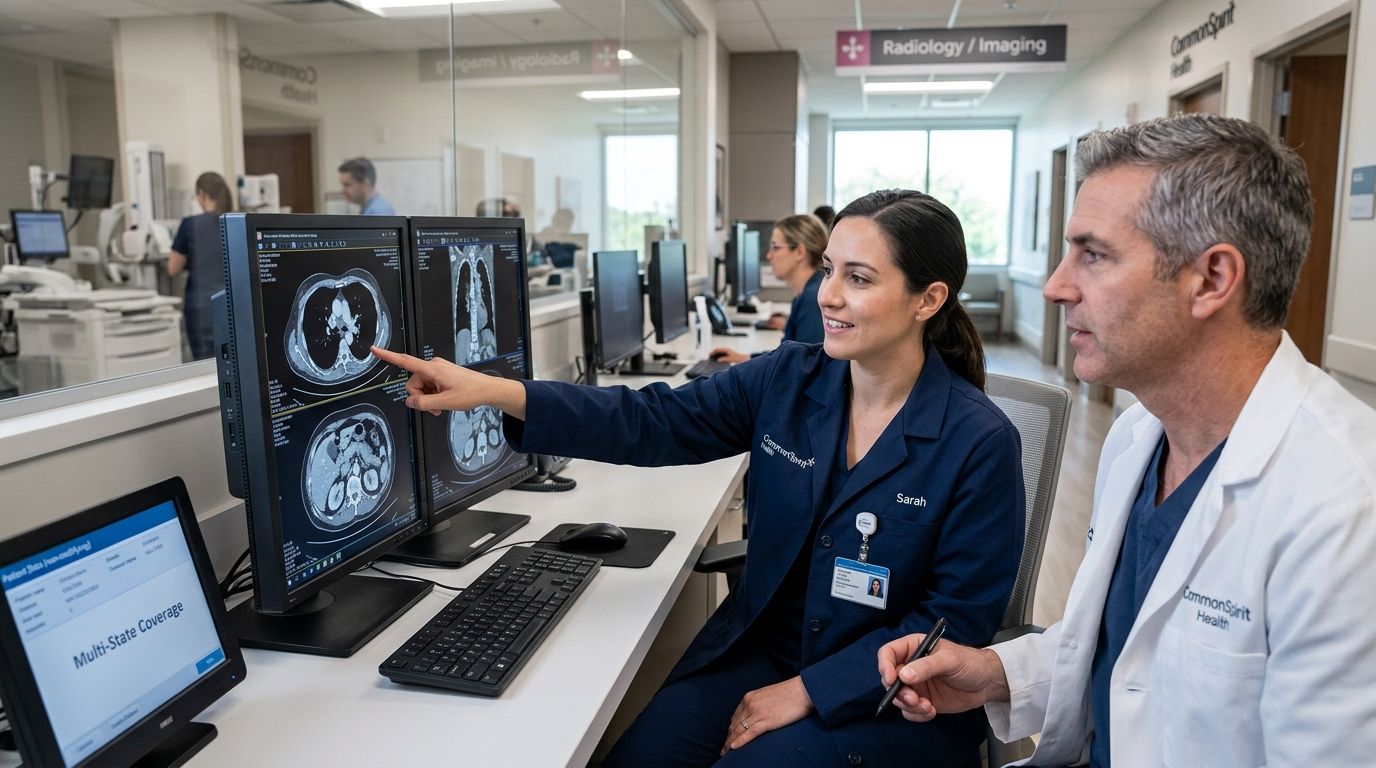
Peripheral vascular disease (PVD) centers hire radiologists who can read duplex ultrasound, cross-sectional angiography, and sometimes cover endovascular procedures in the same shift — not every diagnostic radiologist fits that mix. This guide breaks down what PVD centers actually screen for and which job types match that demand in 2026.
- Vascular imaging radiologist jobs at PVD centers favor candidates with duplex ultrasound reps and RPVI credentialing over generalists.
- IR-trained physicians who can cross over into endovascular cases get first-look offers at office-based labs in 2026.
- RadBoard tracks 5,000+ radiology positions from 20 sources, including outpatient vascular imaging openings updated for 2026.
- Skip PE-backed OBL listings that advertise 'vascular imaging' but route 80% of volume to general body reads.
Why this matters
PVD centers run on volume: ankle-brachial index (ABI) studies, arterial and venous duplex, and CTA/MRA of the lower extremities stack up fast, and a radiologist who can't read vascular ultrasound at pace becomes a bottleneck. Hiring managers at these centers screen resumes differently than a hospital radiology group does — they want proof of vascular reading volume, not just a diagnostic radiology board certificate. Getting this wrong costs you months: you sign on, discover the read queue expects duplex turnaround in hours, and you're relearning a skill you haven't touched since residency.
RadBoard's radiology job search platform filters listings by subspecialty tag, so vascular imaging radiologist jobs surface separately from general body imaging postings — useful when a PVD center's job title says "radiologist" but the actual work is 70% vascular.
Who this is for
This guide is for board-certified or board-eligible diagnostic radiologists considering a move into outpatient PVD center work, IR-trained physicians weighing a partial crossover into vascular imaging, and radiologists already reading vascular studies who want to benchmark their current role against what PVD centers are offering in 2026.
What to look for in vascular imaging radiologist jobs for PVD centers
Duplex ultrasound volume and turnaround expectations
PVD centers live and die by same-day duplex turnaround, so ask what the daily read volume looks like before you sign. A center that can't tell you a rough daily study count hasn't scaled its imaging pipeline and you'll be the one absorbing the backlog.
RPVI or equivalent vascular credentialing
Many PVD centers require or strongly prefer the Registered Physician in Vascular Interpretation (RPVI) credential on top of board certification. If you don't hold it, ask whether the center supports exam prep or reimburses the credentialing fee — this is a real cost you should negotiate, not absorb.
Endovascular procedure crossover
Some PVD centers pair diagnostic vascular imaging with light endovascular work — angioplasty follow-up imaging, post-procedure surveillance. If you're IR-trained, this crossover pays better and keeps procedural skills active; if you're purely diagnostic, confirm the job doesn't quietly expect procedural coverage.
Call burden and after-hours consult volume
Outpatient PVD centers typically run lighter call than hospital vascular services, but some still expect after-hours phone consults for acute limb ischemia questions. Get the call frequency in writing before you compare offers on salary alone.
Compensation model — RVU vs. flat salary
Vascular imaging reads generate RVUs differently than general body imaging because duplex and ABI studies bill lower per-study but run higher volume. A pure RVU model can undervalue your day unless the center's per-study rate accounts for that volume difference.
Top picks by role type
The safe pick — vascular ultrasound specialist track. If you've logged real duplex ultrasound volume during residency or fellowship, this is the fastest path into a PVD center in 2026. Centers building out a dedicated vascular lab want a radiologist who doesn't need ramp-up time on ABI and duplex protocols. Roles built around this skill set show up regularly in listings for ultrasound-focused radiologist jobs for sonography specialists. Buy if your duplex reading volume is already strong.
The wildcard — IR-trained crossover role. IR-trained physicians who can read diagnostic vascular imaging and step into light endovascular follow-up command the widest range of PVD center offers. The one-year VIR fellowship structure means fewer candidates hold this combination, which is exactly why these roles pay a premium over pure diagnostic reads. Openings in this lane track closely with interventional radiology jobs for IR-trained physicians. Buy if you're IR-trained and want the crossover; Consider if you're diagnostic-only and open to picking up procedural CME.
The outpatient PVD center hire. Standalone outpatient vascular centers — not hospital-affiliated — often offer lighter call and predictable hours in exchange for a narrower scope: mostly duplex, ABI, and CTA/MRA reads with minimal procedural involvement. Consider this if work-life balance outranks scope for you in 2026.
The hospital-employed vascular imaging role. Hospital systems folding vascular imaging into a broader body imaging service line pay steady salaries but rarely let you specialize as tightly as a standalone PVD center does. Consider if you want the stability of hospital employment and don't mind reading outside vascular studies on off days.
What to avoid
- PE-backed OBLs advertising "vascular imaging" loosely. Some office-based labs owned by private equity groups list vascular imaging roles that turn out to be 70-80% general body reads with vascular duplex as a minor add-on. Review the contract structure carefully — how to evaluate a private equity-backed radiology group job offer covers the red flags before you sign.
- Listings that skip credentialing requirements entirely. If a PVD center job posting doesn't mention RPVI or equivalent vascular credentialing at all, assume the vascular lab isn't accredited and your reads may not count toward MOC or quality metrics the way you'd expect.
- Roles that bundle vascular reads into an unrelated general radiology contract. A job title that says "vascular imaging radiologist" but a job description that's 90% chest and abdomen CT is a mismatch — the vascular component is often an afterthought, not the core role.
Find open vascular imaging roles
Search 5,000+ radiology listings from 20 sources, filtered by subspecialty.
Verdict comparison
| Role type | Duplex volume expectation | Call burden | Comp model | 2026 Verdict |
|---|---|---|---|---|
| Vascular ultrasound specialist | High, dedicated lab | Low | RVU or salary | Buy |
| IR-trained crossover | High + procedural | Moderate | Premium RVU/salary | Buy |
| Outpatient PVD center | Moderate, narrow scope | Low | Flat salary common | Consider |
| Hospital-employed vascular | Mixed with body imaging | Moderate to high | Salary + productivity bonus | Consider |
| PE-backed OBL, loosely defined | Unclear, often low actual vascular volume | Varies | RVU, often diluted | Skip |
FAQ
What is a vascular imaging radiologist job at a PVD center?
It's a role focused on reading duplex ultrasound, ABI studies, and CTA/MRA for peripheral vascular disease centers rather than general diagnostic imaging. Some roles add light endovascular follow-up for IR-trained physicians.
Do I need RPVI certification for PVD center jobs?
Many PVD centers prefer or require RPVI certification alongside board certification in diagnostic radiology. If you don't have it, ask whether the center supports exam prep costs before accepting an offer.
Is IR training required for vascular imaging radiologist jobs?
No — many PVD center roles are purely diagnostic, reading duplex and cross-sectional vascular studies. IR training expands your options into crossover roles that include light endovascular procedure coverage.
How does call burden compare between hospital and outpatient PVD center roles?
Outpatient, standalone PVD centers typically run lighter call than hospital-based vascular imaging services in 2026. Confirm after-hours consult expectations in writing before comparing offers.
What should I watch for in PE-backed vascular imaging job listings?
Check whether the advertised vascular imaging volume matches the actual read mix — some office-based labs dilute vascular work with general body imaging. Review the compensation structure closely before signing.
Are vascular imaging radiologist jobs growing in 2026?
PVD centers continue expanding outpatient vascular labs as procedures shift away from hospital settings. Listings for these roles appear regularly across radiology job aggregators tracking 2026 postings.
What compensation model is most common for vascular imaging roles?
RVU-based and flat salary models both appear, with hospital-employed roles more likely to pair salary with a productivity bonus. Vascular duplex studies generate RVUs differently than general body imaging, so compare per-study rates directly.
How is a vascular imaging radiologist job different from a general diagnostic radiology job?
Vascular imaging roles concentrate on duplex ultrasound, ABI, and vascular CTA/MRA rather than a broad diagnostic caseload. The narrower scope suits radiologists who want subspecialty-only reading.
One last thing
The RPVI credential is the single biggest differentiator PVD centers screen for in 2026 — more than years of experience, more than fellowship name recognition. If you're weighing whether to pursue it before your next job search, treat it as the credential that opens outpatient vascular center doors, not a box to check after you're already hired.