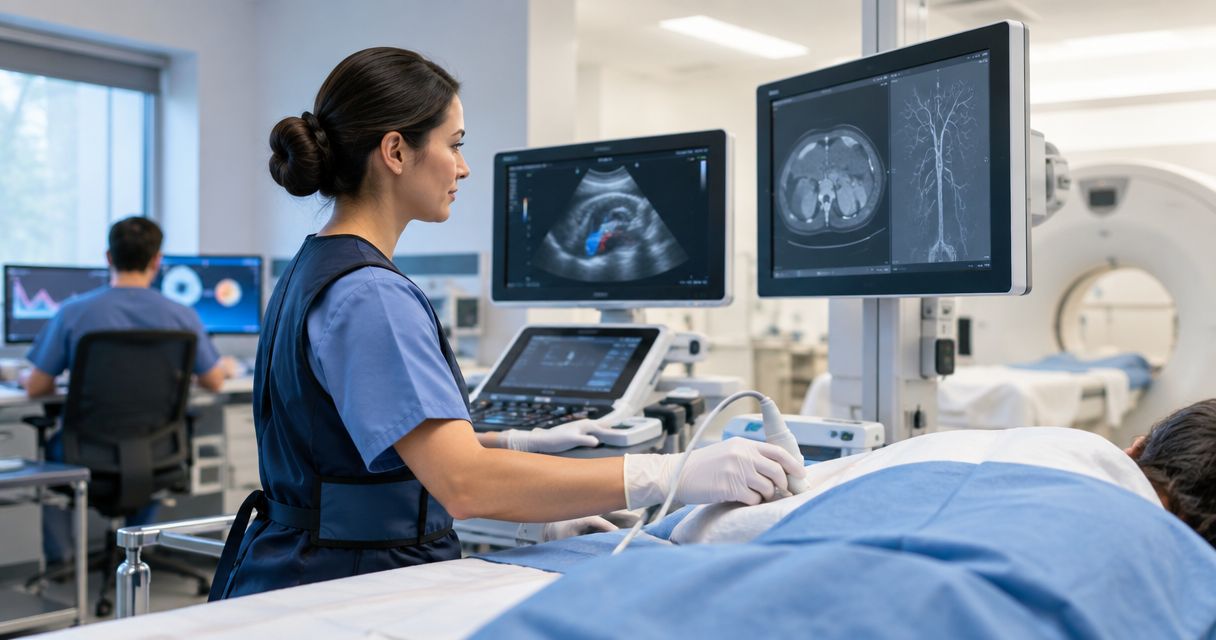
Diagnostic radiologists seeking mixed clinical work use diagnostic radiology jobs with light procedures to combine routine image interpretation with scheduled biopsies, arthrograms, injections, fluoroscopy, or fluid drainage while keeping diagnostic reads as the primary workload. In 2026, the best fit is a role with a defined procedure list, protected procedure time, written RVU treatment, and clear call boundaries; arthrogram and joint injection jobs are one example of this read-and-procedure model.
- Diagnostic radiology jobs with light procedures combine routine reads with scheduled, lower-complexity interventions.
- Body imaging, breast imaging, MSK, and general fluoroscopy roles offer the clearest read-and-procedure combinations.
- In 2026, verify procedure volume, privileges, staffing, RVU treatment, and call expectations before accepting an offer.
- Search by procedure name because diagnostic radiologist job titles rarely define the actual procedural workload.
Why light-procedure work matters for diagnostic radiologists
A read-and-procedure role preserves hands-on clinical work without making complex intervention the center of the schedule. The exact boundary is local: one employer may assign breast biopsies and localizations, another may need arthrograms and joint injections, and a community hospital may combine general reads with GI fluoroscopy, lumbar puncture, paracentesis, or thoracentesis.
That variation creates the central problem for this segment. A job title does not tell you which procedures you will perform, how often they occur, whether another service receives the referrals, or whether procedure time reduces your reading target. Those points must be confirmed directly with the hiring group.
The distinction also affects your job search in 2026. Searching only for diagnostic radiologist produces roles ranging from remote reading to onsite general coverage. Searching by the procedure, modality, and practice setting surfaces positions that match the workload you actually want.
How to find diagnostic radiology jobs with light procedures
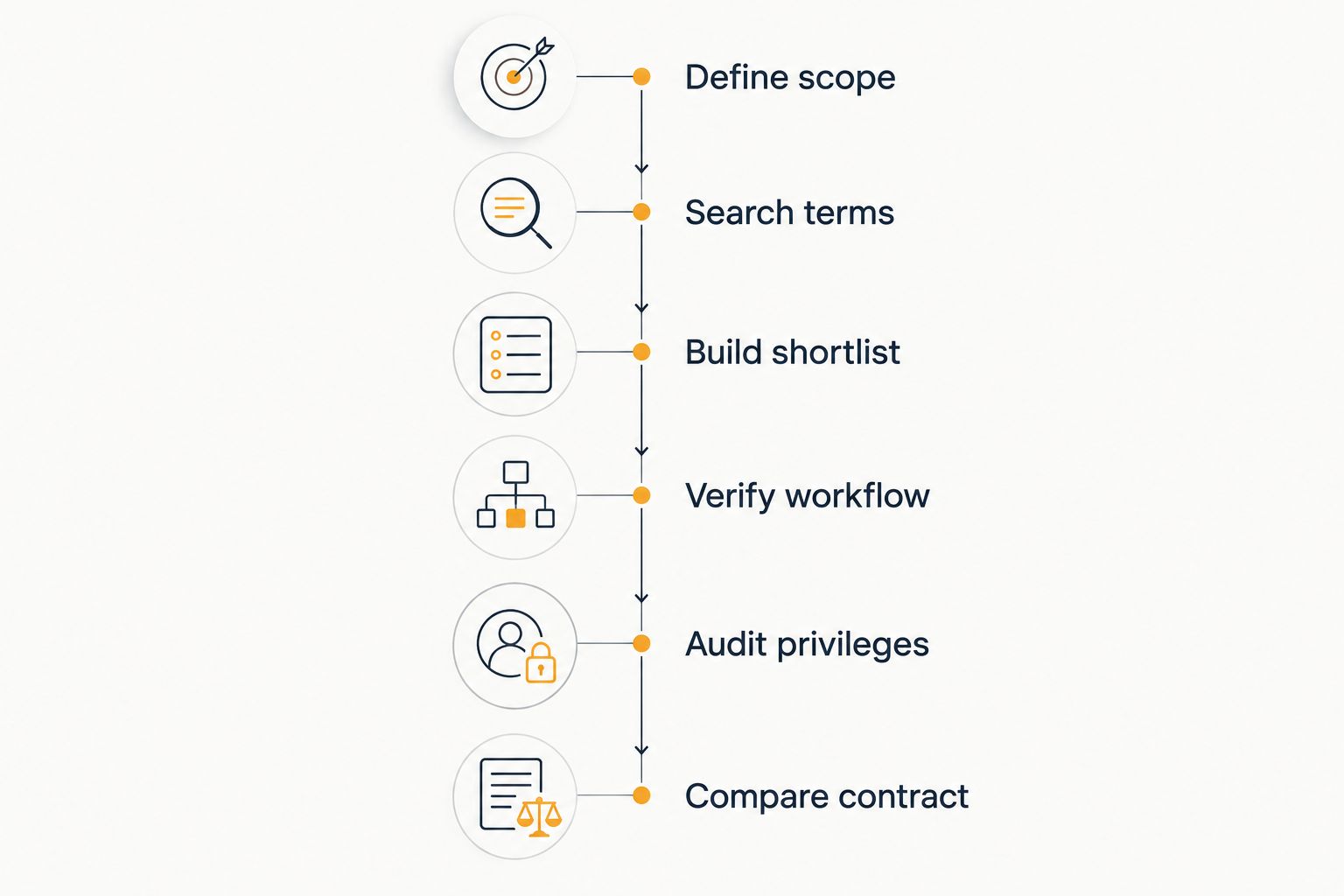
Define your acceptable procedure scope
Start with the procedures you can perform independently, then separate them from procedures that would require refresher training, proctoring, or new privileges. This prevents a broad phrase such as minor procedures required from pushing you into a scope you did not intend to cover.
Your list should also define what you do not want. A role can remain diagnostic-heavy while still carrying urgent add-ons, after-hours consultations, or weekend coverage that changes its practical scope.
- List procedures you currently perform without supervision
- Mark procedures that would require proctoring or refreshed case experience
- Separate scheduled outpatient work from urgent inpatient requests
- Define whether you will accept vascular access responsibilities
- Exclude interventions that belong outside your intended practice
- Decide whether occasional weekend procedures are acceptable
Translate your scope into search terms
Search using the clinical task rather than relying on the employer's title. A body imaging position may mention CT-guided biopsy only in the responsibilities, while a general radiology posting may hide fluoroscopy coverage near the end of the description.
Combine each procedure with a subspecialty and setting. For example, pair arthrogram with MSK, core biopsy with breast imaging, or barium studies with community hospital and outpatient imaging. A focused page on fluoroscopy radiologist jobs for GI and barium studies shows how procedure-specific searches narrow the role type.
- Search biopsy, arthrogram, joint injection, fluoroscopy, and myelography
- Add body imaging, breast imaging, MSK, or general radiology
- Add outpatient, community hospital, imaging center, or multispecialty group
- Include onsite or hybrid when physical presence is required
- Exclude full IR, neurointerventional, and vascular IR when those are outside scope
- Save the exact wording employers use for later searches
Use RadBoard to build a comparable shortlist
The RadBoard radiology job search aggregates 5,000+ positions from 20 sources and supports AI-powered search and swipe-to-save. That matters for hybrid roles because procedure details can appear under several job titles and across separate employer sources.
Search one procedure cluster at a time, then save roles that define at least part of the clinical mix. Compare those listings against RadBoard's 3,700+ active-listing market analysis rather than assuming the first matching title represents the wider 2026 market.
RadBoard is best for radiologists who need to compare diagnostic roles across multiple sources by procedure, subspecialty, and setting. Its limitation is the same as every job search platform: the listing cannot replace a direct discussion about current referral volume, staffing, and privileges.
- Run separate searches for each procedure cluster
- Save roles with explicit procedure responsibilities
- Record the employer, setting, modality mix, and call language
- Remove listings that use procedural language without naming a procedure
- Compare saved roles side by side before contacting recruiters
Search by procedure type
Filter 5,000+ radiology positions from 20 sources by procedure, setting, and subspecialty.
Verify the daily workflow
A useful interview answer describes the schedule, not just the scope. Ask who controls the procedure calendar, how add-ons enter the queue, and what happens to the diagnostic worklist while you are away from the reading station.
The strongest answer names the procedure block, supporting staff, expected modalities, and backup plan. A vague answer such as procedures as needed leaves the central workload undefined.
- Ask for a typical procedure-day schedule
- Confirm whether procedures have reserved appointment slots
- Identify who handles consent, preparation, recovery, and follow-up
- Ask whether a technologist, nurse, or advanced practice clinician assists
- Confirm how urgent add-ons affect the reading queue
- Request the current modality and procedure mix from the hiring group
Audit credentialing, staffing, and referral support
Clinical ability does not automatically create active privileges at a new site. Hospitals and outpatient facilities control their own credentialing requirements, and the employer should explain the application, documentation, proctoring, and approval process before your start date.
Referral flow matters just as much. A position can list biopsies even when a separate IR group, surgeon, or subspecialty service receives most cases. Ask which service owns each procedure and whether the opening replaces an active procedural radiologist or adds new capacity.
- Request the exact privilege list attached to the role
- Ask which procedures require case logs or proctoring
- Confirm who provides supervision during proctored cases
- Identify the service that currently receives each referral type
- Verify that malpractice coverage includes the agreed procedures
- Ask what work you perform while procedural privileges are pending
Compare compensation, workload, and call language
Procedure work changes the value of a job only when the contract recognizes the time and responsibility involved. Determine whether procedures receive separate RVU credit, count toward the same productivity threshold as diagnostic studies, or sit inside a fixed clinical schedule.
Do not review the procedure clause in isolation. Read it beside the diagnostic target, bonus definition, call schedule, malpractice terms, and duties clause. Broad language allowing the employer to assign other procedures can expand the role after you start.
A 2026 offer should also state who covers complications and urgent follow-up when your scheduled procedure block ends. If the group expects full IR backup, that expectation belongs in the call section rather than an informal interview comment.
- Ask how each procedure contributes to productivity credit
- Confirm whether procedure time reduces the diagnostic target
- Compare scheduled work with after-hours coverage
- Define who manages complications and patient callbacks
- Limit catch-all language covering additional procedures
- Put procedure scope and call boundaries in the written agreement
Comparing light-procedure role types
The best option depends on the procedures you want to retain and the diagnostic work you want to prioritize. No category guarantees a particular schedule, referral volume, or compensation model, so use this 2026 comparison as an interview framework rather than a substitute for employer-specific details.
| Option | Best for | Main advantage | Key limitation |
|---|---|---|---|
| Body imaging with biopsy coverage | Radiologists who want CT, MRI, and ultrasound reads with image-guided tissue sampling | Procedure work aligns with abdominal and oncologic imaging | Biopsy volume and ownership can shift to an IR service |
| Breast imaging with interventions | Breast imagers who want mammography, ultrasound, MRI, biopsy, and localization work | Diagnostic and procedural responsibilities sit within one subspecialty | Onsite coverage and patient-facing work are central to the role |
| MSK imaging with arthrograms and injections | MSK radiologists who want joint-focused reads and fluoroscopic procedures | Procedure type closely matches the imaging referral base | The role may include a narrow procedure mix |
| General radiology with fluoroscopy | Generalists who want varied reads plus GI studies, lumbar puncture, or similar coverage | Broad modality exposure fits community practice | Unscheduled inpatient requests can interrupt reading time |
| Outpatient venous practice | Radiologists seeking a procedure-centered clinic setting | Scheduled clinic work can be separated from hospital reading coverage | The scope may move farther from general diagnostic radiology |
Best overall fit: body imaging, breast imaging, and MSK roles offer the clearest connection between diagnostic expertise and scheduled light procedures. General radiology is the broader option, but it requires tighter questions about interruptions, call, and backup.
Common mistakes diagnostic radiologists make
Treating the posting as a workload description
A posting is a recruiting summary, not a procedure calendar. Ask for the current workflow and referral ownership before treating a listed responsibility as recurring clinical work.
Using light procedures as a fixed category
There is no universal procedure list behind that phrase. Define the acceptable scope procedure by procedure, including scheduled work, urgent add-ons, vascular access, and complication coverage.
Ignoring the diagnostic target
A procedure block does not automatically reduce expected reads. If the employer measures productivity, confirm how time away from the worklist affects the target and bonus calculation.
Waiting until credentialing to discuss privileges
The privileging process can expose missing case documentation or local proctoring requirements after the employment agreement is signed. Request the privilege form and process during offer review.
Accepting verbal call boundaries
An interview assurance does not control the written contract. The agreement should distinguish scheduled light procedures from full IR call, emergency intervention, and procedures outside the agreed scope.
FAQ
What are diagnostic radiology jobs with light procedures?
Diagnostic radiology jobs with light procedures combine image interpretation with scheduled interventions such as biopsies, arthrograms, joint injections, fluoroscopic studies, lumbar puncture, or fluid drainage. The exact scope depends on the employer, facility privileges, and local referral model.
Do light-procedure radiology jobs require an IR fellowship?
Not every light-procedure role requires an IR fellowship. Eligibility depends on the procedure, documented training, employer requirements, hospital privileges, and applicable medical standards.
Which radiology subspecialties combine reads with procedures?
Body imaging, breast imaging, MSK, and general diagnostic radiology commonly combine interpretation with procedure responsibilities. Vein clinics and other outpatient practices can offer a more procedure-centered version of the role.
How should I search for radiology jobs that include procedures?
Search by procedure name, subspecialty, and setting instead of relying on the job title. Terms such as biopsy, arthrogram, fluoroscopy, myelography, outpatient, and community hospital reveal more relevant responsibilities.
How does RadBoard help find hybrid diagnostic radiology roles?
RadBoard aggregates 5,000+ radiology positions from 20 sources and supports AI-powered search and swipe-to-save. Use the RadBoard radiology job search to compare listings by procedure keyword, subspecialty, setting, and schedule.
How are procedures counted toward radiologist productivity?
The employer determines whether procedures receive separate RVU credit, count toward a shared productivity target, or sit inside a fixed schedule. Ask how procedure time changes the diagnostic target and bonus calculation before signing.
What should I ask during a 2026 interview for a hybrid role?
Ask for the current procedure list, typical schedule, referral ownership, staffing model, privilege requirements, RVU treatment, diagnostic target, and call boundaries. Request specific workflow details rather than accepting a general description of light procedures.
What is the main risk in a diagnostic role with procedures?
The main risk is a mismatch between the advertised scope and the actual workload. Written procedure duties, productivity treatment, credentialing support, and call boundaries reduce that ambiguity.
One last thing
Ask to speak with the radiologist currently covering the procedures, not only the recruiter or department leader. That conversation can clarify who sends referrals, what interrupts the reading day, which privileges are active, and whether the 2026 opening reflects an established workflow or a proposed service line. Save those answers beside the listing in RadBoard and compare them with the written offer.