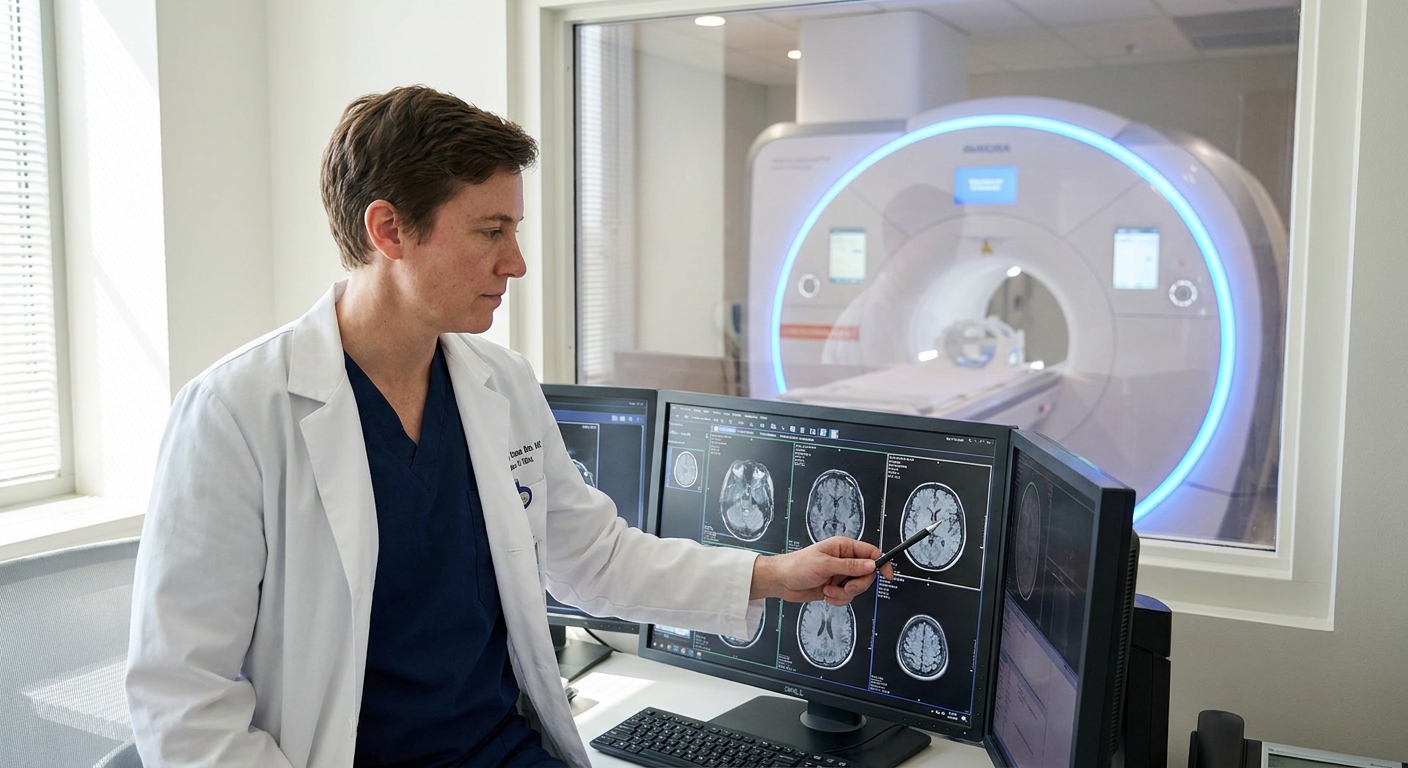
PET/MRI radiologist jobs sit at the narrow overlap of diagnostic radiology and nuclear medicine, and in 2026 that overlap is where the hiring leverage lives for hybrid imaging specialists.
- Dual board-certified nuclear medicine/radiology readers get first look at PET/MRI radiologist jobs before general postings open.
- PI-RADS prostate MRI reading experience converts directly into hybrid oncologic imaging offers in 2026.
- Locum PET/SPECT coverage is the fastest paid entry point if you don't have a fellowship yet — Consider.
- Skip postings that advertise "PET/MRI" but only require PET/CT reads — the credential mismatch shows up in year one.
Why this matters
Most radiology job boards lump PET/MRI in with generic "nuclear medicine" or "molecular imaging" postings, which buries the roles that actually want dual-modality readers. RadBoard aggregates 5,000+ radiology positions from 20 sources into one searchable feed, and the PET/MRI-specific roles inside that pool tend to cluster around cancer centers, academic hybrid imaging programs, and locum coverage for facilities that can't staff a full-time nuclear medicine reader.
The modality itself is still rare enough that demand outpaces supply in most markets — PET/MRI scanners require simultaneous acquisition expertise that a straight diagnostic radiology residency doesn't fully cover, which is exactly why the hiring bar and the negotiating leverage both sit higher here than in general body or chest imaging.
Who this is for
This guide is for radiologists who've completed a nuclear medicine fellowship, hold dual board certification (ABR plus nuclear medicine boards), or read PET/MRI regularly during residency and want to know which 2026 job categories actually value that training instead of treating it as a nice-to-have on a general diagnostic radiology posting.
What to look for in PET/MRI jobs for hybrid imaging specialists
Dual board certification requirements, not preferences
A posting that lists nuclear medicine board certification as "preferred" instead of "required" usually means the group will hand you PET/CT overflow instead of true simultaneous PET/MRI reads. Look for job descriptions that specifically name PET/MRI protocol interpretation, attenuation correction review, and co-registration QA as core duties — that language signals the site actually runs the modality at volume.
Case volume and scanner access
A hospital with one PET/MRI unit shared across three specialties gives you far fewer reps than a cancer center running dedicated oncologic imaging blocks. Ask directly how many PET/MRI studies the site reads per week before you interview — under 10 a week means you'll spend most shifts on general diagnostic radiology instead of the subspecialty work you trained for.
Subspecialty alignment with oncologic and prostate imaging
PET/MRI in 2026 concentrates heavily around prostate cancer staging (PI-RADS interpretation paired with PSMA-PET) and pediatric or adult oncologic staging. If your training leans prostate MRI, prioritize jobs that name PI-RADS reporting explicitly rather than generic "body MRI" postings.
Contract structure: employed vs. locum vs. academic
Employed cancer-center roles offer the steadiest hybrid imaging volume but slower schedule flexibility. Locum PET/SPECT coverage pays per shift and lets you test a site before committing, which matters when PET/MRI programs vary so widely in maturity across health systems.
Co-read and consult support
Early-career hybrid readers should confirm whether a senior nuclear medicine or PET/MRI-trained radiologist is available for co-reads during the first 90 days. Sites that throw new hires straight into independent PET/MRI interpretation without backup create liability exposure neither side wants in 2026's malpractice climate.
Compensation model tied to modality mix
RVU-based comp that doesn't differentiate PET/MRI from routine CT undervalues the added interpretation time hybrid studies require. Ask whether PET/MRI cases carry a higher RVU weight or a flat modality differential before you sign.
Top picks for PET/MRI-trained radiologists in 2026
The credential multiplier — dual board-certified nuclear medicine tracks. Radiologists who hold certification in both diagnostic radiology and nuclear medicine clear the highest bar for dual board certification in nuclear medicine roles, which is exactly where PET/MRI employers look first when a position opens. The credential typically requires an additional year of nuclear medicine-focused training beyond a standard diagnostic residency. Buy if you already hold both certifications — this is the shortest path to a hybrid imaging seat.
The volume play — PET and SPECT reader positions. Nuclear medicine radiologist jobs for PET and SPECT readers give you the case reps that turn a fellowship into a subspecialty niche. These roles concentrate at cancer centers and larger academic systems where PET/MRI and PET/CT volume both run high enough to keep a dedicated reader busy full time. Buy for anyone building a career around molecular imaging rather than treating it as a side skill.
The flexible entry point — locum PET/SPECT coverage. Facilities that can't recruit a permanent hybrid reader fill gaps with locum tenens shifts, which is the fastest way to get paid PET/MRI experience without committing to relocation. Pay is per shift, sites vary widely in scanner age and protocol maturity, and you can walk after a contract if the volume doesn't match what was advertised. Consider this if you want to test two or three markets before choosing where to settle in 2026.
The oncologic specialization — prostate MRI and PI-RADS interpretation. Prostate MRI radiologist jobs for PI-RADS interpretation increasingly pair with PSMA-PET staging in the same read, making this one of the fastest-growing crossover niches for hybrid imaging specialists. If your fellowship emphasized prostate MRI over general nuclear medicine, this is the entry point that uses that training directly. Buy if PI-RADS reporting is already part of your daily workflow.
The generalist trap — oncologic imaging postings without modality specifics. Cancer-center job listings that advertise "oncologic imaging" broadly, without naming PET/MRI, PSMA-PET, or PI-RADS explicitly, often turn out to be general body imaging roles with occasional nuclear medicine overflow. Skip unless the recruiter confirms dedicated PET/MRI volume before you interview.
Find open PET/MRI radiologist jobs now
Search 5,000+ radiology positions from 20 sources with AI-powered filters.
What to avoid
- PET/CT-only jobs mislabeled as PET/MRI. Some recruiters use the terms interchangeably in job titles to widen the applicant pool — confirm scanner type and protocol before the first phone screen.
- Academic postings with unfunded research expectations. A hybrid imaging academic role that requires grant-funded research time but doesn't name a funding source or protected time percentage will eat into clinical reads you were hired to do.
- General diagnostic radiology postings with "nuclear medicine experience a plus." These almost never carry enough PET/MRI volume to maintain your subspecialty skill set — treat "a plus" language as a warning, not an opportunity.
If you can read both PET and MRI without needing a co-read, you're not competing against twenty general radiologists for one seat — you're the seat.
Verdict comparison
| Job type | Credential needed | Best for | Verdict |
|---|---|---|---|
| Dual board-certified nuclear medicine track | ABR + nuclear medicine boards | Career-long hybrid imaging focus | Buy |
| PET and SPECT reader positions | Nuclear medicine fellowship | High-volume molecular imaging reps | Buy |
| Locum PET/SPECT coverage | Nuclear medicine boards or fellowship | Testing markets before relocating | Consider |
| Prostate MRI + PI-RADS interpretation | Body MRI or genitourinary fellowship | Oncologic imaging crossover | Buy |
| Generic "oncologic imaging" postings | Unclear/unspecified | Unverified PET/MRI volume | Skip |
FAQ
What is a PET/MRI radiologist job?
A PET/MRI radiologist job involves interpreting simultaneously acquired PET and MRI studies, which requires training in both nuclear medicine and MRI protocol reading. Most 2026 postings for this role sit at cancer centers or academic hybrid imaging programs rather than general community hospitals.
Is PET/MRI radiology a good subspecialty in 2026?
Yes, PET/MRI remains a high-demand niche in 2026 because relatively few radiologists hold the dual training to read it independently. Sites with dedicated PET/MRI volume compete for a small pool of qualified readers, which favors candidates with nuclear medicine board certification.
Do I need nuclear medicine board certification for PET/MRI jobs?
Most true PET/MRI roles require or strongly prefer nuclear medicine board certification alongside diagnostic radiology certification. Jobs that only list it as preferred usually route PET/CT overflow rather than independent PET/MRI reads.
How is PET/MRI different from PET/CT for hiring purposes?
PET/MRI requires additional expertise in attenuation correction and co-registration specific to MRI, which PET/CT does not. Employers hiring for PET/MRI specifically will name the modality and protocol responsibilities in the job description rather than using the terms interchangeably.
Are PET/MRI radiologist jobs remote or on-site?
Most PET/MRI jobs in 2026 require on-site presence because the studies demand real-time protocol adjustments during acquisition. Remote or teleradiology PET/MRI coverage exists but is far less common than on-site staff or locum roles.
How much does dual board certification affect PET/MRI job offers?
Dual board certification in nuclear medicine and diagnostic radiology typically moves a candidate to the top of the applicant pool for PET/MRI roles, since it removes the need for extensive on-site training. It also opens locum and permanent postings that specifically restrict eligibility to dual-certified readers.
Where can I find PET/MRI radiologist job openings in 2026?
PET/MRI openings are aggregated alongside other radiology positions on platforms like RadBoard, which pulls 5,000+ listings from 20 sources including hospital career pages and staffing agencies. Searching under nuclear medicine or oncologic imaging filters surfaces most hybrid imaging postings.
Do PET/MRI jobs pay more than general diagnostic radiology?
PET/MRI roles often carry higher RVU weighting or a modality differential because hybrid studies take longer to interpret than routine CT or MRI. The exact premium varies by employer and should be confirmed in the compensation model before signing.
One last thing
The fastest-growing PET/MRI demand in 2026 isn't in general oncology — it's in prostate cancer staging, where PSMA-PET and PI-RADS MRI interpretation increasingly get read together by the same radiologist instead of split across two subspecialists. If your training covers both, lead with that combination in every application instead of listing nuclear medicine and MRI experience as separate line items.